Car Tyres, Brakes & Auto Services Near Loddon
Tyres and auto services for Loddon - 12 miles north-west via the A146.
Loddon is a small market town on the River Chet in South Norfolk, serving the southern Broads area. It's a rural community with a strong agricultural and tourism identity, and residents typically commute to Norwich or Bungay for work.
Driving in Loddon - What We See
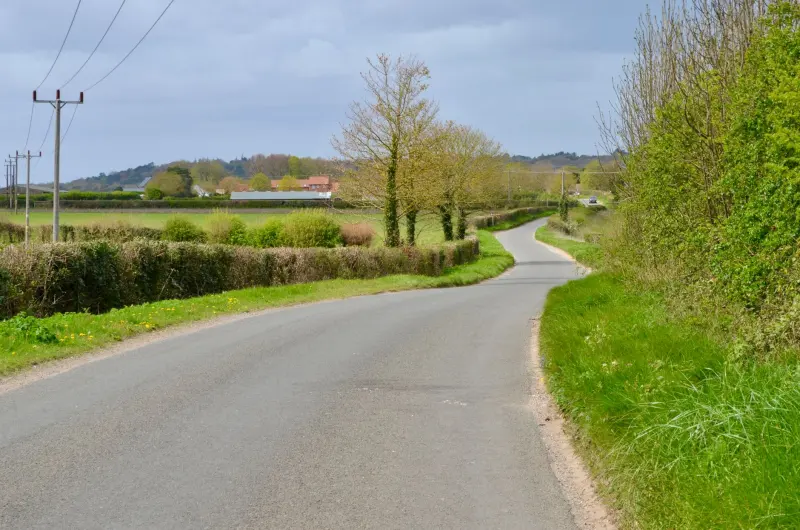
The A146 between Loddon and Norwich is a mixed rural road passing past the Rockland St Mary and Bramerton turnings before joining the Norwich ring road. The road quality varies, with some sections prone to surface deterioration and debris from agricultural activity. Slow punctures from road debris, pothole-related wheel damage and tracking issues are among the most common reasons Loddon vehicles come to our garage.
Loddon also has a significant boat and leisure vehicle population given its Broads location. We regularly advise on caravan and trailer tyres for customers from this area. The 12-mile journey to our Ber Street garage takes around 20-25 minutes.
One Booking, One A146 Run: How Loddon Drivers Use Us
Twelve miles down the A146 is far enough that nobody from Loddon wants to make the trip twice. So we plan against that. When you book, tell us everything - the slow puncture, the wipers that smear, the service that is overdue, the knock over the speed humps - and we will build it all into a single visit with the parts ready when you arrive.
Combining work this way usually costs less overall too, because the car only goes on the ramp once. A service and an alignment check share most of their setup, and brakes are easiest to assess while the wheels are already off for tyres. We will always ring with a clear picture before doing anything you have not agreed to.
While the work happens you have options: free parking means someone can follow you in and run you home, the city centre is a short walk up from Ber Street for shopping or lunch, and for smaller combined jobs our waiting area does the job comfortably. We are open 8am to 6pm Monday to Saturday and 10am to 4pm on Sundays, so the trip can fit around market days and weekend plans alike.
Thorn Season on the Lanes Around Loddon
Every autumn the pattern repeats. Hedge-cutting starts on the lanes around Loddon, Chedgrave and the Chet valley, and within a fortnight we are pulling blackthorn out of tyres brought in from NR14. Add harvest traffic dragging mud and flint onto the carriageway, and it is no surprise that rural drivers pick up more punctures in three months than in the rest of the year combined.
Most of these punctures start slow. A tyre that needs topping up every week or two is not settling - it is leaking, and the sooner we get it on the machine the more likely it can be repaired properly rather than replaced. Driven flat, even briefly, a repairable tyre becomes scrap because the sidewall breaks up internally.
Our advice for Loddon's lanes: check pressures fortnightly through autumn, glance over each tyre after any trip behind a flail mower, and treat a repeated pressure warning as a booking prompt rather than background noise. If a tyre is past saving, our tyre fitting service for Loddon covers budget through to premium brands, with most sizes fitted the same day you call.
Getting to Us from Loddon
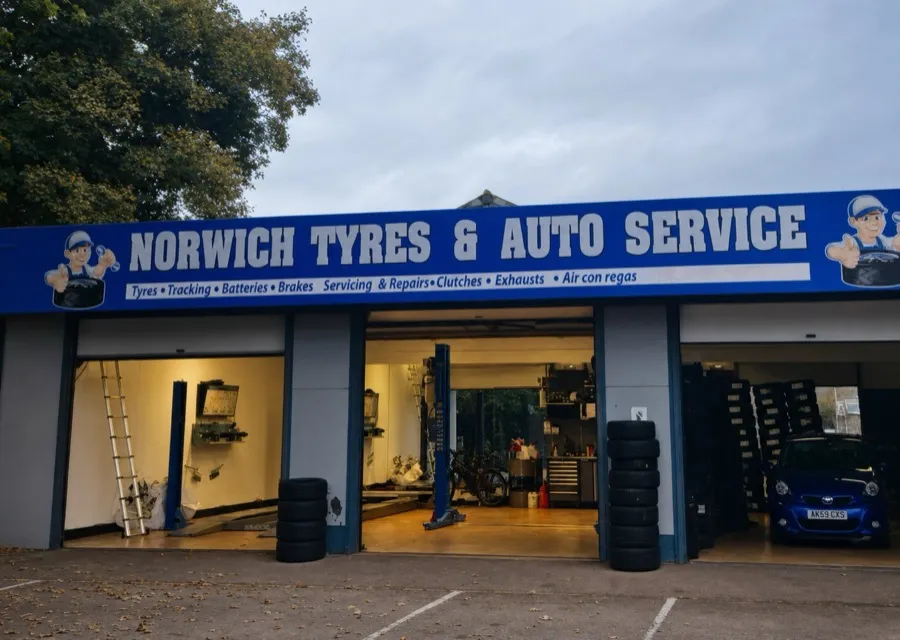
From Loddon (NR14), head north-west via the A146 towards Norwich city centre. Our garage is on 100-106 Ber Street, Norwich NR1 3ES - approximately 12 miles, with free parking available on site.
Frequently Asked Questions from Loddon Drivers
Do you service vehicles from rural South Norfolk?
Yes - we regularly see customers from Loddon and the surrounding Broads area. The journey via the A146 is straightforward and many customers combine the visit with a Norwich shopping or work trip. Call ahead on 07933 900901 to book so we have your tyres ready.
Do you advise on caravan tyre age and replacement?
Yes. Caravan tyres should be replaced every 5-7 years regardless of tread depth, as the rubber compound degrades with age even if the caravan has covered low mileage. We can check tyre age from the DOT code on the sidewall and advise on replacement. We carry common caravan tyre sizes.
What's the most common tyre problem from rural A-road driving?
Slow punctures from road debris (nails, screws, sharp stones) are the most common. Second is pothole-related damage - either immediate sidewall failure or gradual internal cracking. Third is tracking drift from road edge strikes on narrow lanes. All three are easy to address if caught early.
Book Your Appointment
Serving Loddon (NR14) and all of Norwich & Norfolk
07933 900901 Get a Free QuoteAddress:
100-106 Ber Street
Norwich NR1 3ES
Opening Hours:
Mon-Sat: 8:00am - 6:00pm
Sun: 10:00am - 4:00pm
From Loddon:
12 miles north-west via the A146
Get directions ›

"Highly recommend this business. I had a puncture and the team did a tyre repair very quickly and got me back on the road. Very reasonable price."
"Straightforward and upfront about what work needed doing and how much it would cost. Two tyres changed quickly and tracking done. Would definitely recommend."
"Popped in on a Sunday for a puncture on my motorhome. They had me back on the road within 15 minutes. Great service, friendly professional guys."
"Professional, efficient, courteous and knowledgeable. Thank you for helping me out at such short notice - all very much appreciated."
Need Auto Services Near Loddon?
Just 12 miles north-west of Loddon on 100-106 Ber Street, Norwich NR1 3ES. Call 07933 900901 to book your appointment or get a free quote today.
Get a Free Quote