Car Tyres, Brakes & Auto Services Near Long Stratton
Tyres, brakes and auto services for Long Stratton - 10 miles north via the A140.
Long Stratton is a large village in South Norfolk on the A140, the main road between Norwich and Ipswich. It's a significant commuter settlement with many residents travelling north to Norwich for work daily via the A140.
Driving in Long Stratton - What We See
The A140 carries heavy and fast traffic between Long Stratton and Norwich, with significant HGV activity as a primary freight route. Regular high-speed driving on this road creates the consistent centre-tread wear pattern typical of A-road commuters. The A140 also has a number of roundabouts near Norwich which require controlled braking and can accelerate front brake pad wear.
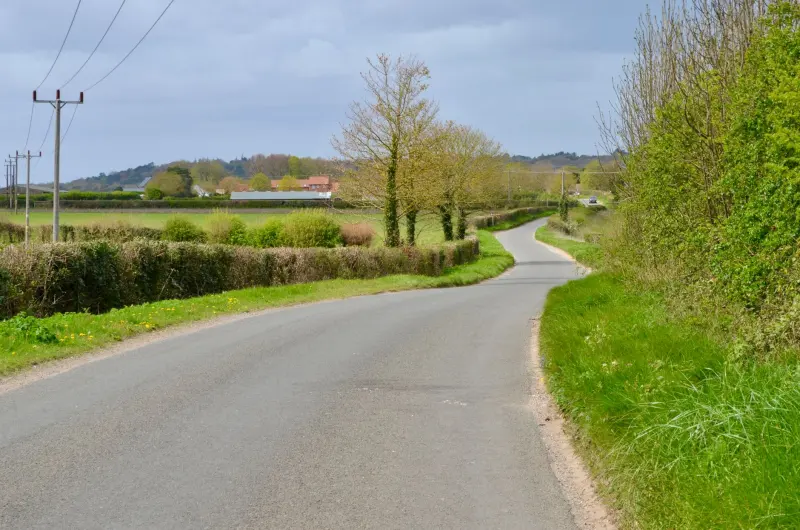
Long Stratton's village roads and the connecting B-road network are quieter but can carry agricultural debris. The 10-mile journey to our Ber Street garage takes approximately 18-22 minutes via the A140.
Servicing by Miles, Not Months, for Long Stratton Commuters
A daily Long Stratton to Norwich commute on the A140 puts serious mileage on a car - twenty-odd miles a day quickly becomes ten or eleven thousand a year before you have driven anywhere else. Cars covering that distance need servicing on a different rhythm from the village runabout parked next door.
Annual servicing works for low-mileage cars, but a hard-working commuter can sail past its oil's useful life months before the calendar says anything is due. Oil that has done its miles thins out and stops protecting; brake fluid absorbs moisture; filters clog. None of it announces itself until something more expensive follows.
Our approach for A140 commuters is simple: we log the mileage, look at how the car is actually used and agree an interval that fits the reality rather than the sticker on the windscreen. Read our guide on how often you should really service your car if you want the detail behind that. Getting here is straightforward from Long Stratton - straight up the A140 - and we open at 8am, so the drop-off folds into the normal commute rather than replacing it.
Cruise, Brake, Repeat: A140 Wear on Long Stratton Cars
The A140 has a driving rhythm all of its own: long stretches at a steady 50, then firm braking for the roundabouts, then back up to speed. Repeated every day, that cycle produces a wear pattern we can often spot before the owner mentions where they are from.
Brakes take the brunt. Pads that would last years around town wear quicker when they are hauling a car down from speed several times per trip, and discs can develop judder - a pulsing through the pedal - from the repeated heat cycles. Tyres wear fast across the middle of the tread from sustained cruising, and the freight traffic sharing the road throws up stone chips that nick sidewalls and windscreens alike.
Clutches suffer too, mostly at the city end of the journey where queues form at peak times. If your pedal bite point has crept upwards, or the brakes feel less certain than they did, have it looked at before winter rather than after: we will measure pad and disc wear, check the tyres across their full width and give you a straight answer on what is urgent, what is wearing normally and what can safely wait until spring.
Getting to Us from Long Stratton
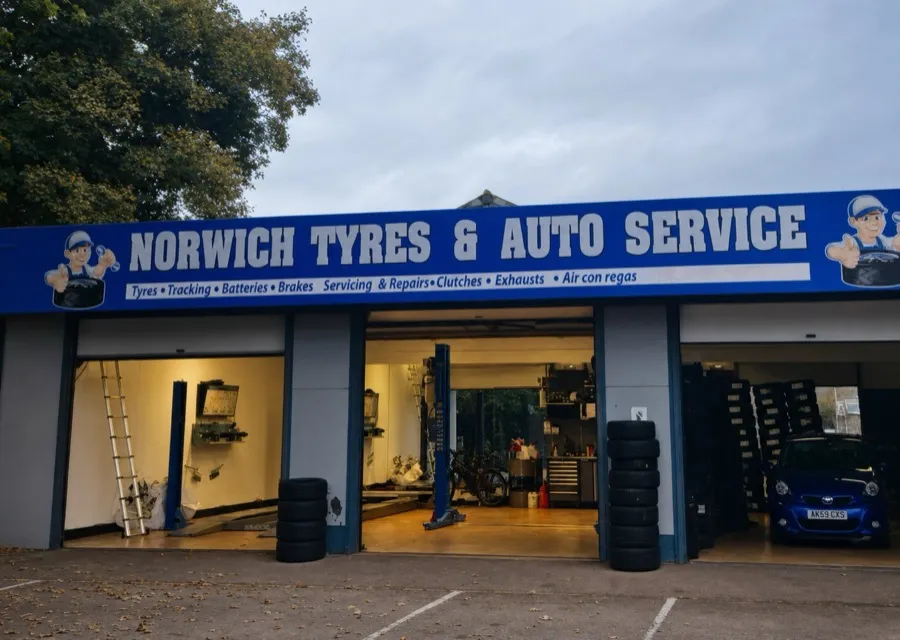
From Long Stratton (NR15), head north via the A140 towards Norwich city centre. Our garage is on 100-106 Ber Street, Norwich NR1 3ES - approximately 10 miles, with free parking available on site.
Frequently Asked Questions from Long Stratton Drivers
Do lorry-heavy roads like the A140 cause more tyre wear?
Heavy traffic on a road tends to create more road surface stress and debris, which can contribute to punctures. The driving patterns on the A140 - consistent high speed with periodic roundabout braking - are predictable and not excessively damaging if pressures are maintained correctly.
Are there tyre options specifically for high-mileage A-road commuters?
Yes - tyres with a long-mileage tread compound from brands like Michelin (Energy Saver+), Continental (EcoContact) or Bridgestone (Ecopia) are designed for efficient, long-distance driving with extended tread life. For daily A140 commuters, these can represent good value per mile despite a higher upfront cost.
Can I book a tyre appointment before work in the morning?
We open at 8:00am Monday to Saturday. Many Long Stratton commuters book first-thing slots to have tyres fitted before or after their Norwich commute. Call 07933 900901 the afternoon before and we'll arrange a morning slot.
Book Your Appointment
Serving Long Stratton (NR15) and all of Norwich & Norfolk
07933 900901 Get a Free QuoteAddress:
100-106 Ber Street
Norwich NR1 3ES
Opening Hours:
Mon-Sat: 8:00am - 6:00pm
Sun: 10:00am - 4:00pm
From Long Stratton:
10 miles north via the A140
Get directions ›

"Highly recommend this business. I had a puncture and the team did a tyre repair very quickly and got me back on the road. Very reasonable price."
"Straightforward and upfront about what work needed doing and how much it would cost. Two tyres changed quickly and tracking done. Would definitely recommend."
"Popped in on a Sunday for a puncture on my motorhome. They had me back on the road within 15 minutes. Great service, friendly professional guys."
"Professional, efficient, courteous and knowledgeable. Thank you for helping me out at such short notice - all very much appreciated."
Need Auto Services Near Long Stratton?
Just 10 miles north of Long Stratton on 100-106 Ber Street, Norwich NR1 3ES. Call 07933 900901 to book your appointment or get a free quote today.
Get a Free Quote