
Electric and Hybrid Cars: Do They Need Special Tyres?
Electric and hybrid cars do not strictly need special tyres, but EV-specific tyres exist for good reasons. EVs are heavier because of their batteries and deliver instant torque, which wears tyres faster, while their quietness makes road noise more noticeable. EV-rated tyres are designed to handle the weight, reduce noise and resist wear.
Why EVs are harder on tyres
Electric and hybrid cars carry heavy battery packs, making them noticeably heavier than equivalent petrol or diesel cars. That extra weight puts more load on the tyres.
They also deliver their full torque instantly, so brisk acceleration scrubs the tyres more than in a conventional car. Together, these mean EV tyres can wear faster if they are not suited to the job, which surprises some new EV drivers.
What EV-specific tyres offer
Tyre makers now produce tyres designed specifically for electric cars, addressing their particular demands.
- Stronger construction to carry the extra battery weight.
- Compounds and patterns that resist faster wear from instant torque.
- Features to reduce road noise, which is more noticeable in a quiet EV.
- Lower rolling resistance to help preserve driving range.
Do you have to fit them?
You are not always obliged to fit EV-specific tyres, and a suitable standard tyre can often be used, provided it meets the correct size, load rating and speed rating for your car.
The load rating is especially important on a heavy EV. Fitting a tyre with too low a load rating is unsafe, so always match or exceed your car maker's requirement. If your car came on EV-rated tyres, sticking with them is usually the safest choice.
Range, noise and rolling resistance
On an electric car, tyres affect range as well as wear. Low rolling-resistance tyres reduce the energy needed to keep the car moving, which can meaningfully extend range, so the tyre you choose has a direct effect on how far you go between charges.
Noise matters too. Without engine sound to mask it, road and tyre noise is far more noticeable in an EV, so many EV-rated tyres include noise-reducing technology. If a quiet cabin is part of why you bought an electric car, it is worth choosing tyres designed with that in mind.
Pressures and tyre care on an EV
Because EVs are heavy and hard on tyres, correct pressures matter even more, both for safety and for range, as under-inflation increases rolling resistance and eats into how far you can drive. Check them at least monthly, as you would on any car.
Regular tyre rotation, where suitable, and prompt attention to any uneven wear help an EV's tyres last as long as possible. Smooth use of that instant torque, rather than flooring it from every junction, also makes a real difference to tyre life.
Getting the right tyres for your EV
The best approach is to match what your car needs. Check the size and ratings, and consider EV-specific tyres if wear, noise or range matter to you, which they do for most EV drivers.
Tell us your car and we will advise on the right tyres, whether EV-specific or a suitable standard option, and make sure the load rating is right for the extra weight your electric car carries.
Frequently Asked Questions
Do electric cars need special tyres?
Not strictly, but EV-specific tyres exist for good reason. Electric cars are heavier and have instant torque, which wears tyres faster, and they are quiet, so road noise stands out. EV-rated tyres handle the weight, resist wear, cut noise and lower rolling resistance to help range.
Can I fit normal tyres to an electric car?
Often yes, provided the tyre meets the correct size, load rating and speed rating for your car. The load rating matters most on a heavy EV, so never fit a tyre rated below your car maker's requirement. Tell us your vehicle and we will confirm suitable options.
Why do electric cars wear tyres faster?
EVs are heavier because of their battery packs and deliver full torque instantly, so acceleration puts more stress on the tyres. Both factors increase wear compared with a similar petrol car. Keeping pressures correct and choosing suitable tyres helps manage this and get reasonable tyre life.
Do tyres affect electric car range?
Yes. Low rolling-resistance tyres reduce the energy needed to keep the car moving, which can meaningfully extend range, while under-inflation does the opposite. So the tyres you choose and how you maintain their pressure have a direct effect on how far your EV goes between charges.
Are EV tyres quieter?
Many EV-rated tyres include noise-reducing technology, which matters because there is no engine sound to mask road and tyre noise in an electric car. If a quiet cabin is important to you, it is worth choosing tyres designed with noise reduction in mind when it is time to replace them.
Book With Norwich Tyres & Auto Service
Need a hand from a real, independent Norwich garage? Call 07933 900901 or pop into Ber Street, NR1 3ES. Same-day tyre fitting is available on most common sizes, with free parking on site.
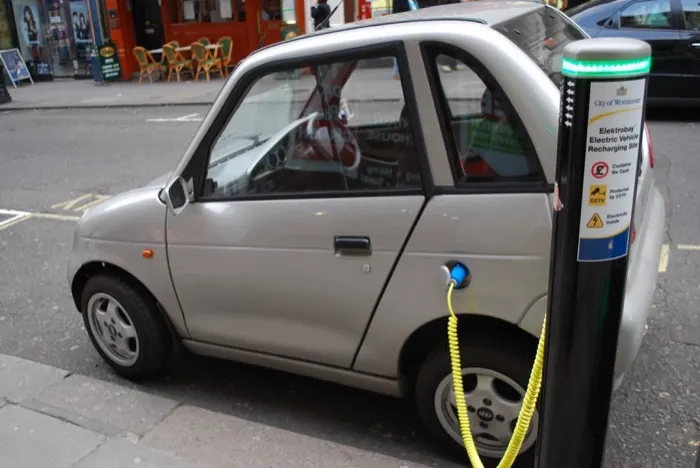
Hero image: “Electric car charging” by Alan Trotter (source), licensed under CC BY.