How to Drive Safely on Ice and Snow in Norfolk
To drive safely on ice and snow, slow right down and make every input gentle: ease on and off the accelerator and brake, and steer smoothly. Leave a far bigger gap than usual, pull away in a higher gear to limit wheelspin, and clear all snow and ice from the car before setting off.
Smooth and gentle wins
Grip is scarce on ice and snow, so the goal is to ask as little of the tyres as possible at any moment. Harsh acceleration, braking or steering breaks traction and causes skids.
Accelerate gently, brake early and softly, and steer smoothly. Imagine there is an egg under the pedals. Driving in a higher gear than usual also reduces the torque to the wheels and helps prevent wheelspin when pulling away or climbing a slope.
Stopping distances and gaps
On ice, stopping distances can be many times longer than on a dry road. That means the gap you normally leave is nowhere near enough.
- Leave a much larger following distance, up to ten times normal on ice.
- Brake in plenty of time, gently, before bends and junctions.
- Anticipate well ahead so you rarely need to brake hard.
Before you set off
Preparation matters as much as technique. Only travel if your journey is necessary, and give yourself extra time so you are not tempted to rush.
Clear all snow and ice from every window, the roof, lights and mirrors before driving, as it is an offence to drive without proper visibility, and snow sliding off the roof is a hazard. Make sure your tyres have plenty of tread, and consider all-season or winter tyres for the cold months.
Hills, bends and black ice
Hills and bends need planning. Going uphill, keep a steady momentum and leave room ahead so you do not have to stop and lose traction; going downhill, slow down before the descent and use a low gear to control speed with minimal braking.
Watch for black ice, which is nearly invisible and forms on bridges, shaded spots and untreated lanes, common across rural Norfolk. If the road looks wet but the steering feels suddenly light and quiet, you may be on ice, so ease off and avoid any sudden inputs.
If you start to skid
If the car begins to skid, ease off the accelerator and avoid braking hard. Steer gently into the direction of the skid to regain control, then straighten up smoothly once grip returns.
Sudden movements make a skid worse. Most modern cars have ABS and stability control to help, but they cannot beat physics, so smooth inputs and sensible speed remain your best defence on a slippery road.
The right tyres make the difference
No technique replaces grip. Tyres with plenty of tread, correctly inflated, give you the best chance on snow and ice, and cold-weather or all-season tyres improve braking and grip further when the temperature drops.
If your tread is low before winter, come in for a check and we will advise on the best tyres for the conditions. Good rubber, a gentle right foot and a big gap are the trio that keep you safe when Norfolk turns white.
Frequently Asked Questions
What gear should I use on snow and ice?
Pull away gently in second gear to reduce wheelspin, and generally drive in a higher gear than normal to keep engine power to the wheels low and manageable. Going downhill, use a low gear to control speed with minimal braking. Smooth, low-torque driving helps the tyres keep their grip.
How much further does it take to stop on ice?
Stopping distances on ice can be many times longer than on a dry road, sometimes up to ten times. That is why you must leave a far bigger gap, brake gently and early, and slow right down. Never assume your brakes will stop you in the usual distance.
Do I have to clear snow off my whole car?
Yes. You must be able to see clearly from all windows and your lights and number plate must be visible, so clear all snow and ice before driving. Snow left on the roof can slide onto the windscreen or fly off onto other vehicles, which is dangerous and can be an offence.
What is black ice and where does it form?
Black ice is a thin, transparent layer of ice that is almost invisible against the road. It forms on bridges, shaded areas and untreated lanes, common in rural Norfolk. If the road looks wet but your steering goes suddenly light and quiet, you may be on ice, so ease off gently.
Will ABS and stability control keep me safe on ice?
They help, but they cannot beat physics. ABS helps you steer while braking and stability control reduces skids, but neither creates grip that is not there. Sensible speed, big gaps, smooth inputs and good tyres remain essential on snow and ice regardless of the electronics fitted.
Book With Norwich Tyres & Auto Service
Need a hand from a real, independent Norwich garage? Call 07933 900901 or pop into Ber Street, NR1 3ES. Same-day tyre fitting is available on most common sizes, with free parking on site.
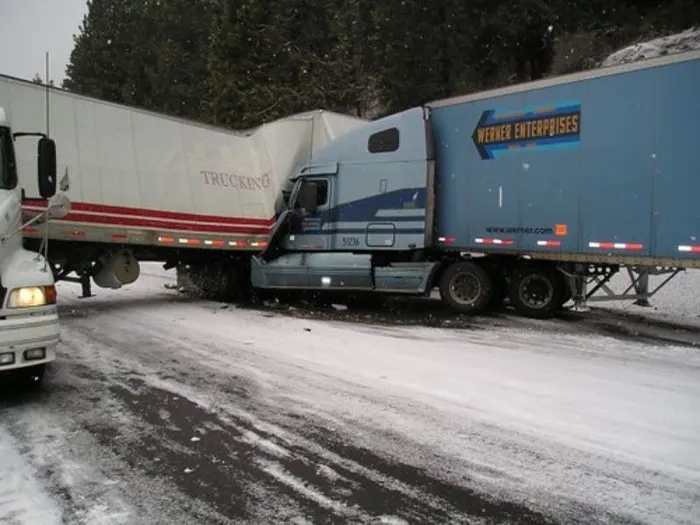
Hero image: “Hit My Hot Button!” by born1945 (source), licensed under CC BY.