Wheel Bearings: What That Droning Noise Means
A droning, humming or growling noise that rises and falls with road speed often means a worn wheel bearing. A useful clue is that the noise typically changes as you corner, getting louder or quieter when turning one way. A failing bearing can also cause vibration or play in the wheel, and should be replaced before it fails completely.
What a wheel bearing does
Each wheel spins on a bearing that lets it turn smoothly while supporting the weight of the car. A healthy bearing is quiet and free-running; as it wears, it becomes rough, noisy and develops play.
Bearings are a wear item, so a worn one is a normal repair rather than a sign of neglect, though water and road salt can shorten their life. The key is recognising the noise and dealing with it before the bearing fails.
The droning noise
The classic symptom of a worn wheel bearing is a droning, humming or growling noise that rises and falls with your road speed, often becoming noticeable from around 30 to 40mph and louder as you go faster.
It can sound a bit like tyre roar, which is why it is sometimes mistaken for worn tyres. The difference is that a bearing noise usually has that steady, speed-linked drone and often changes when you corner, which tyre noise does not in the same way.
The cornering clue
A really useful way to identify a wheel bearing is how the noise behaves in corners. As you turn, the car's weight shifts onto the outer wheels, loading the bearings differently.
So a worn bearing often gets louder when its side is loaded and quieter when unloaded. For example, if the drone increases when turning right, the worn bearing is often on the left, and vice versa. It is not foolproof, but it is a helpful pointer for diagnosis.
Other signs of a bad bearing
Beyond the noise, a worn bearing can produce other symptoms.
- A vibration through the steering or floor at speed.
- Play or looseness if the wheel is rocked (checked with the car raised).
- A rumbling or grinding that worsens over time.
- Occasionally, an ABS warning, as the bearing may house the wheel-speed sensor.
Why you should not leave it
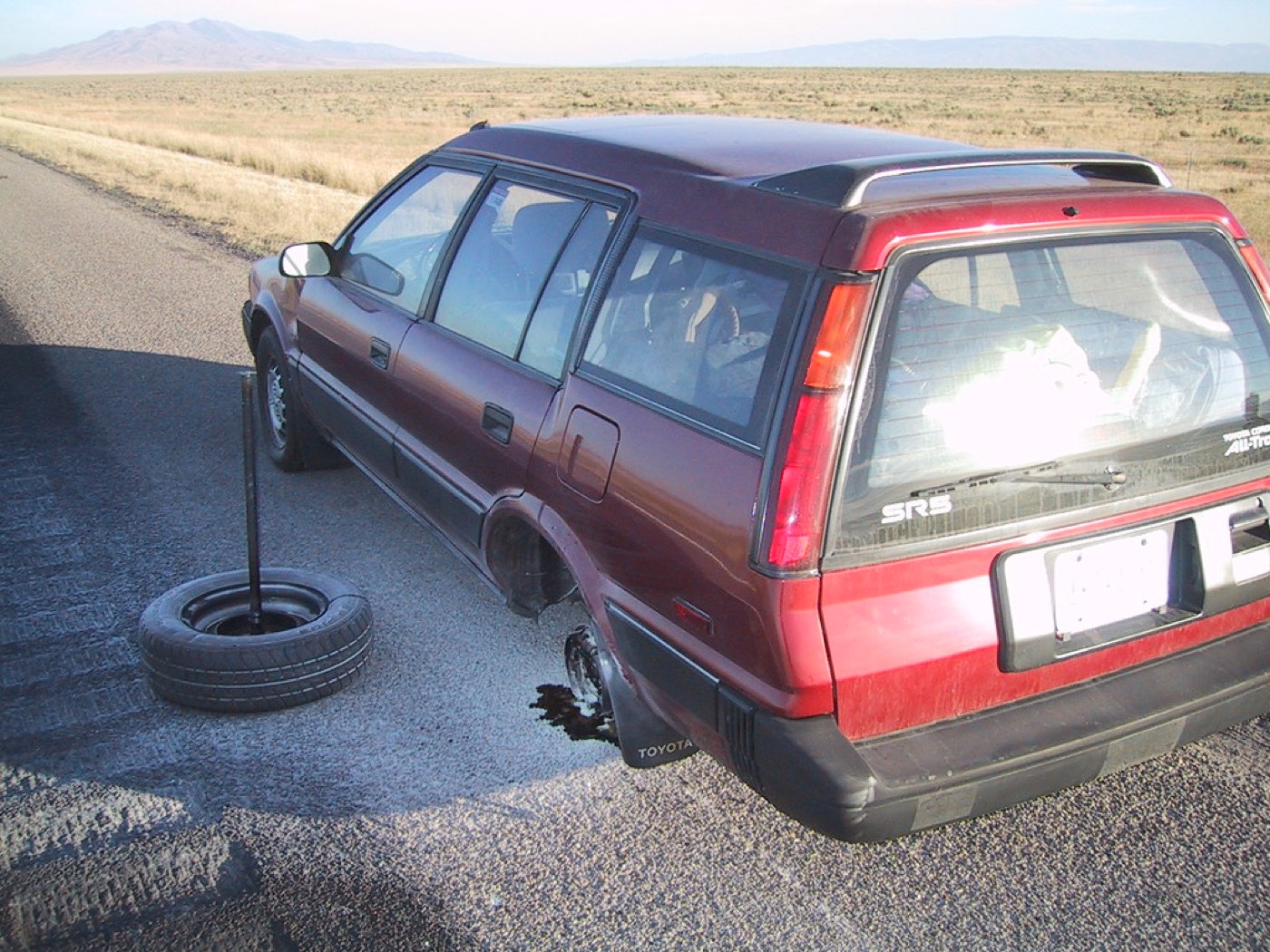
A noisy bearing will not get better; it gets worse, and ignoring it has a serious end point. As the bearing deteriorates, it can seize or, in the worst case, allow the wheel to develop dangerous play or even come loose.
A bearing that fails completely at speed is genuinely dangerous. So while a droning bearing is not an instant emergency, it should be inspected and replaced reasonably promptly rather than left to deteriorate into a hazard.
Getting it diagnosed and fixed
Because bearing noise can be confused with tyre noise, and a worn bearing needs confirming, a proper inspection is worthwhile. With the car raised, the wheel can be spun and rocked to feel for roughness and play, pinpointing the worn bearing.
Replacing a wheel bearing is a routine job for us. If you have a drone or hum that rises with speed or changes in corners, bring the car in and we will check the bearings, and the tyres, to find the real cause and put it right.
Frequently Asked Questions
What does a worn wheel bearing sound like?
A droning, humming or growling noise that rises and falls with road speed, often noticeable from around 30 to 40mph and louder as you go faster. It can resemble tyre roar, but a bearing noise usually has a steady, speed-linked drone and often changes when you corner.
How do I know if it is a wheel bearing or tyre noise?
A useful clue is cornering: a worn bearing often gets louder when its side is loaded and quieter when unloaded, so a drone that increases turning one way points to a bearing. Tyre noise does not change with cornering in the same way. An inspection confirms which it is.
Is it safe to drive with a noisy wheel bearing?
A droning bearing is not an instant emergency, but it will only get worse and should not be left. As it deteriorates it can seize or allow dangerous play in the wheel, and a bearing that fails completely at speed is genuinely dangerous, so have it inspected and replaced reasonably promptly.
What other signs point to a bad wheel bearing?
Besides the droning noise, look for a vibration through the steering or floor at speed, play or looseness when the raised wheel is rocked, a worsening rumble or grind, and occasionally an ABS warning, as the bearing may house the wheel-speed sensor. An inspection confirms a worn bearing.
Can a worn bearing trigger the ABS light?
Sometimes. On many cars the wheel-speed sensor used by the ABS is built into or close to the wheel bearing, so a failing bearing can disturb the sensor and trigger an ABS warning. If you have a droning noise and an ABS light together, a worn bearing is worth checking.
Book With Norwich Tyres & Auto Service
Need a hand from a real, independent Norwich garage? Call 07933 900901 or pop into Ber Street, NR1 3ES. Same-day tyre fitting is available on most common sizes, with free parking on site.
Hero image: “there's your problem (circa 2002)” by zombieite (source), licensed under CC BY.