
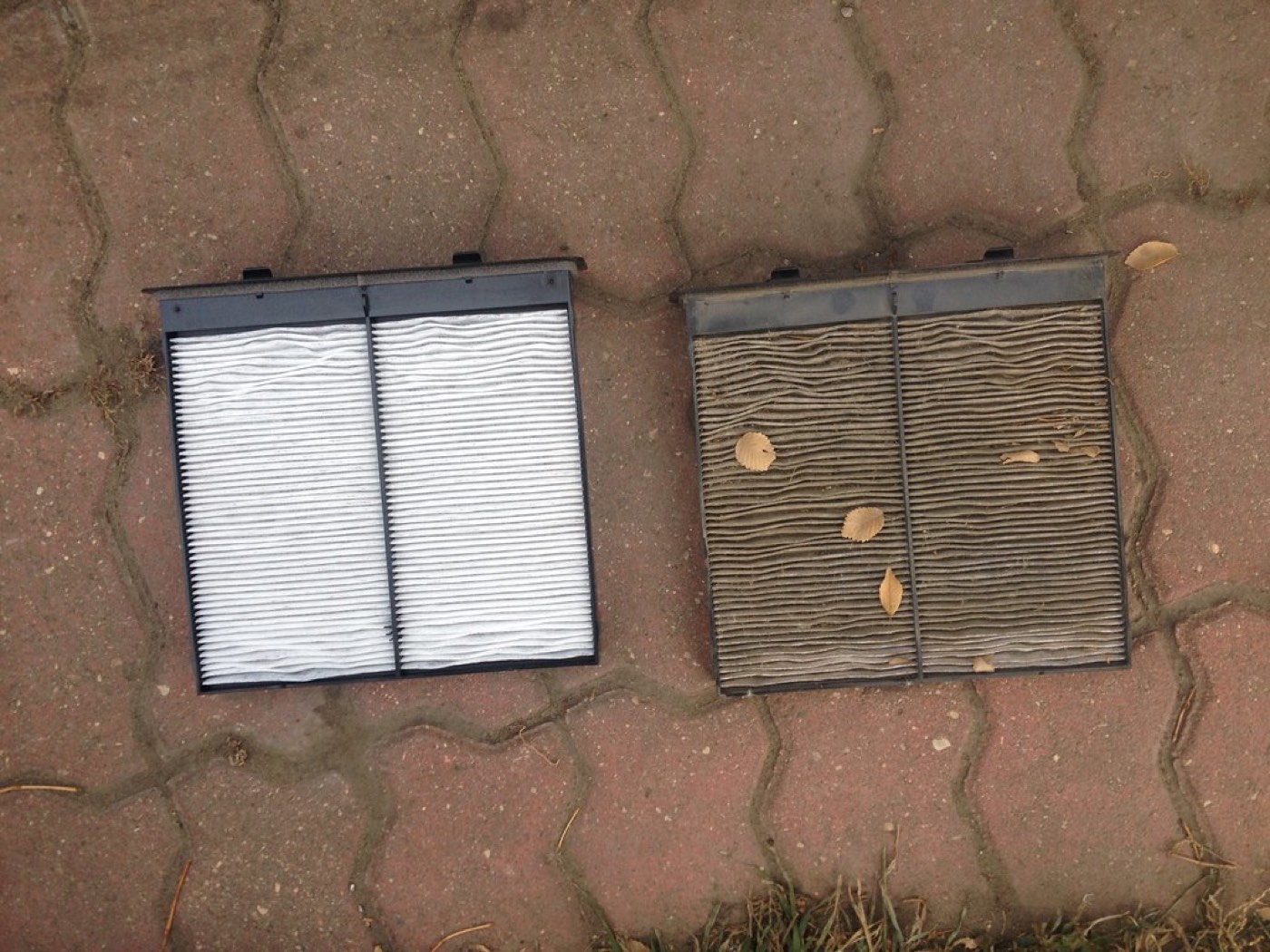
Cabin (Pollen) Filter: When to Change It
The cabin filter (or pollen filter) cleans the air that enters your car through the vents, trapping dust, pollen and pollutants. Change it roughly every 12 months or 12,000 miles, or sooner if airflow weakens or smells develop. It is a cheap, simple part that makes a real difference to airflow and air quality.
What the cabin filter does
The cabin or pollen filter sits in the ventilation system and cleans the air coming into the cabin through the vents, whether from the heater, the air con or fresh-air setting.
It traps dust, pollen, soot and other pollutants before they reach you, keeping the air you breathe cleaner and helping protect the heater and air con components from debris. Many drivers do not realise it exists until airflow drops or a smell appears.
Signs your cabin filter is clogged
A blocked filter gives clear symptoms once you know what to look for.
- Weak airflow from the vents even on high fan settings.
- A musty or stale smell when the fan or air con is on.
- More dust, pollen or condensation than usual inside the car.
- The windscreen taking longer to demist.
These all point to a filter that has done its job and is now restricting the flow.
How often to change it
As a guide, change the cabin filter roughly every 12 months or 12,000 miles, though check your handbook for your car's recommendation. It is often done as part of a full service.
If you drive a lot in dusty, polluted or pollen-heavy conditions, or in heavy traffic, it can clog faster and benefit from changing more often. A filter that has gone unchanged for years is usually well overdue and surprisingly dirty when removed.
Air quality and hay fever
A fresh cabin filter genuinely improves the air inside the car, which matters most for hay-fever and allergy sufferers. As it traps pollen and dust, a clean filter can make a real difference to comfort on a high-pollen day.
Some filters are activated-carbon types that also reduce odours and exhaust fumes from outside traffic. If you suffer in pollen season or in heavy traffic, keeping the filter fresh, and choosing a carbon filter if available, is well worth it.
Filters, smells and demisting
A clogged filter contributes to two common complaints: musty smells and slow demisting. Restricted airflow means the system clears the screen more slowly, and a damp, dirty filter can harbour the bacteria that cause that musty air-con smell.
Changing the filter, sometimes alongside an antibacterial clean of the system, often cures a musty smell and restores brisk airflow and demisting. Our guide to a musty-smelling car covers this in more detail.
A cheap, worthwhile change
The cabin filter is one of the cheapest, easiest parts to renew, yet it has an outsized effect on comfort and air quality. On many cars it is straightforward to access, while on some it is tucked behind the glovebox and a little fiddly.
We change cabin filters as part of a full service, or on their own if your airflow has dropped or smells have developed. It is a small job that makes the car noticeably nicer to be in.
Frequently Asked Questions
What does a cabin pollen filter do?
It cleans the air entering the car through the vents, trapping dust, pollen, soot and pollutants before they reach you. This keeps the air you breathe cleaner and helps protect the heater and air con components from debris. Many drivers do not realise their car has one.
How often should I change the cabin filter?
Roughly every 12 months or 12,000 miles, though check your handbook, and it is often done as part of a full service. If you drive a lot in dusty, polluted or pollen-heavy conditions or heavy traffic, it can clog faster and benefit from changing more often.
What are the signs of a clogged cabin filter?
Weak airflow from the vents even on high fan, a musty or stale smell when the fan or air con is on, more dust, pollen or condensation inside the car, and the windscreen taking longer to demist. These all point to a filter that is restricting the airflow and due for changing.
Can a dirty cabin filter cause a musty smell?
It can contribute. A damp, dirty filter can harbour bacteria and restrict airflow, both of which feed that musty air-con smell. Changing the filter, sometimes with an antibacterial clean of the system, often cures the smell and restores brisk airflow and quicker demisting.
Does the cabin filter help with hay fever?
Yes. A fresh filter traps pollen and dust, which can make a real difference to comfort for hay-fever and allergy sufferers, especially on high-pollen days. Some activated-carbon filters also reduce odours and traffic fumes, so keeping it fresh, or upgrading to carbon, is worthwhile.
Book With Norwich Tyres & Auto Service
Need a hand from a real, independent Norwich garage? Call 07933 900901 or pop into Ber Street, NR1 3ES. Same-day tyre fitting is available on most common sizes, with free parking on site.
Hero image: “Cabin Air Filter Change” by Ryan Gsell (source), licensed under CC BY.