
Clocks Going Back: Get Your Lights and Visibility Sorted
When the clocks go back, much more of your driving happens in the dark, so lights and visibility become critical. Check that every bulb works, clean cloudy headlights and windows, fit fresh wiper blades and keep screenwash topped up. A faulty light is also an MOT failure and easy to miss until someone points it out.
Check every light
It is easy to drive for weeks with a blown bulb and not notice. With darker evenings here, walk around the car and check them all, ideally with someone to help with the brake lights.
- Headlights on dipped and full beam.
- Brake lights, indicators and reversing lights.
- Front and rear fog lights.
- Number plate lights, which are an MOT item.
Replace any blown bulbs promptly.
Clean lights and windows
Cloudy, yellowed headlight lenses scatter light and reduce how far you can see, while a dirty windscreen turns oncoming headlights into blinding glare.
Clean the headlight lenses and both sides of the windscreen, including the often-forgotten inside, which builds up a film that worsens night glare. It is a small job that transforms night-time visibility for very little effort.
Wipers and screenwash
Autumn and winter throw rain, salt and grime at your windscreen, so good wipers and plenty of screenwash are essential. Tired blades that smear or judder make low-sun and night driving genuinely dangerous.
Replace worn blades and top up with a screenwash mix rated for winter so it does not freeze. Keep the washer bottle full, as you will use far more than you expect once the salt and spray arrive on the roads.
Aim, brightness and bulbs
Headlight aim matters as much as the bulbs. Lights aimed too low cut your view; too high and you dazzle oncoming drivers. If your beam pattern looks uneven or you have recently carried heavy loads, it is worth having the aim checked.
If a bulb keeps failing, or lights seem dim, there may be an electrical or charging fault rather than just a bulb at fault. We can check the bulbs, aim and the charging system together so your lights are both legal and genuinely effective.
Using your lights correctly
Good visibility is about seeing the road and being seen by others. Use dipped headlights in poor light, switch to full beam only on unlit roads with no oncoming traffic, and dip in good time for other vehicles.
Only use fog lights when visibility is genuinely reduced, and switch them off afterwards so you do not dazzle others or mask your brake lights. On Norfolk's dark country lanes, getting your light use right makes a real difference to safety.
See and be seen all winter
Pulling it together, the goal through the dark months is simple: see clearly and be clearly seen. Working, clean, correctly aimed lights, a spotless screen and good wipers are the foundation of that.
It only takes a few minutes to check, and we can sort bulbs, wipers and the battery and charging system as part of a service or quick visit. Going into winter confident your lights are right is well worth it.
Frequently Asked Questions
Is driving with a blown bulb illegal?
Driving with a faulty light such as a blown brake light or headlight can result in a fixed penalty, and it is an MOT failure. More importantly, it makes you harder to see and less able to see. Check your bulbs regularly, especially once the clocks go back.
Why is my windscreen so glary at night?
Night glare is usually worse because of a dirty windscreen, particularly a greasy film on the inside, plus cloudy headlight lenses and worn wiper blades. Cleaning both sides of the glass, polishing the headlights and fitting fresh wipers makes a dramatic difference to night-time visibility.
When should I use fog lights?
Use fog lights only when visibility is seriously reduced, generally below about 100 metres, and switch them off when conditions improve. Leaving rear fog lights on in clear conditions dazzles drivers behind and can mask your brake lights, so use them sparingly and appropriately.
Can headlight aim really matter?
Yes. Lights aimed too low cut how far you can see, while lights aimed too high dazzle oncoming drivers and is an MOT issue. Aim can shift after carrying heavy loads or suspension work, so if your beam looks uneven, have it checked and adjusted.
Why does my bulb keep blowing?
A bulb that fails repeatedly can point to a wider problem, such as a charging fault, moisture in the light unit, or a wiring issue, rather than just a faulty bulb. If replacing it does not last, have the electrics and charging system checked to find the underlying cause.
Book With Norwich Tyres & Auto Service
Need a hand from a real, independent Norwich garage? Call 07933 900901 or pop into Ber Street, NR1 3ES. Same-day tyre fitting is available on most common sizes, with free parking on site.
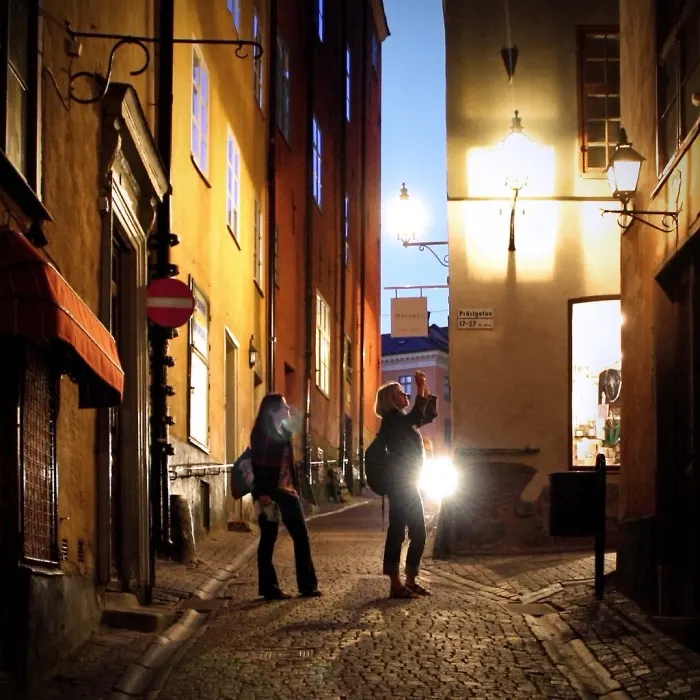
Hero image: “Headlights, Gamla Stan, Stockholm” by Dimitry B (source), licensed under CC BY.