Coolant and Antifreeze Explained: Why It Matters in Winter
Coolant (engine coolant or antifreeze) circulates through the engine to stop it overheating in summer and freezing in winter, and it contains additives that prevent corrosion inside the cooling system. It is a mix of water and antifreeze in the right ratio; too weak and it can freeze, so the correct mix matters year-round.
What coolant actually does
Coolant is the fluid that carries heat away from the engine to the radiator, keeping the engine within its safe operating temperature. Without it, the engine would quickly overheat and seize.
It does three jobs at once: prevents overheating in summer, prevents freezing in winter (frozen coolant can crack the engine block), and protects the metal inside the cooling system from corrosion. So it is a year-round essential, not just a winter additive.
Why it is not just water
It would be a mistake to run the cooling system on plain water. Water freezes in winter, expanding as it does so, which can crack the engine block or radiator, an extremely expensive failure.
Water also offers no corrosion protection, so it lets rust and scale build up inside the engine and radiator, gradually clogging the system. The antifreeze and additives in proper coolant prevent both problems, which is why the correct coolant must be used, not just topped up with water.
The right mix and the right type
Coolant is used as a mix of antifreeze concentrate and water, typically around 50/50, which protects to well below the temperatures a UK winter reaches. Too weak a mix reduces both the freezing and corrosion protection.
The type matters too: modern engines use specific coolant formulations, and mixing incompatible types can cause sludge and reduced protection. Always use the coolant specified for your car, which is why a top-up with the wrong product can do harm.
Checking coolant safely
Checking coolant is simple but has one important safety rule: only do it when the engine is completely cold. The system is pressurised when hot, and opening the cap can release scalding coolant and steam.
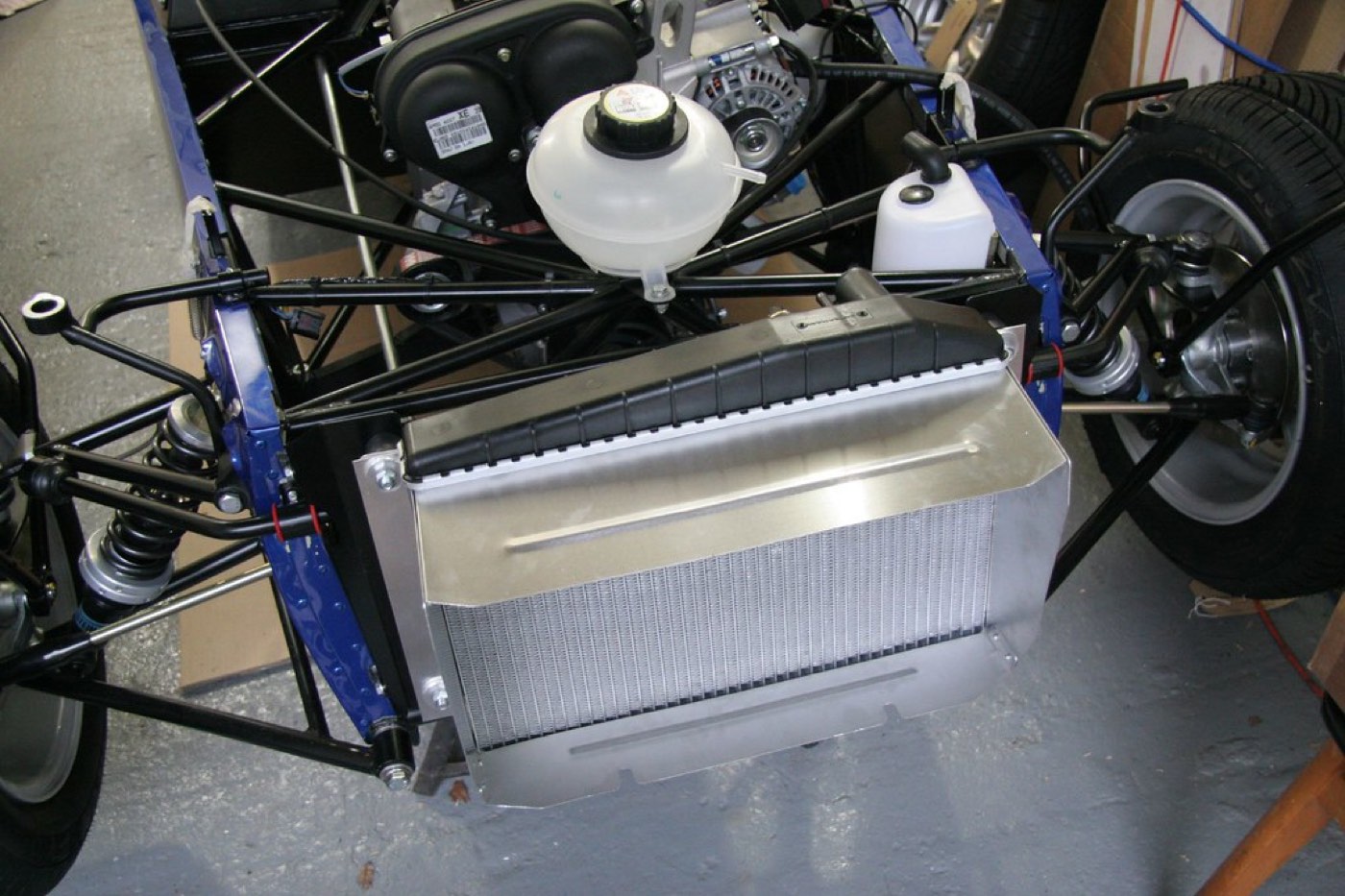
With the engine cold, check the level against the minimum and maximum marks on the expansion tank, and look at the colour: clean and bright is good, while murky, rusty or oily-looking coolant suggests a problem worth investigating.
When to top up and when to worry
A small top-up now and then is normal, but repeatedly needing to add coolant means you have a leak somewhere that needs finding. Look for puddles under the car, a sweet smell, or white exhaust smoke (which can indicate coolant burning in the engine).
- Occasional small top-up: usually fine.
- Frequent topping up: a leak that needs fixing.
- Murky or oily coolant: have the system checked.
Changing coolant and staying protected
Coolant does not last forever; its additives degrade over time, so it should be changed periodically per your handbook to maintain full freeze and corrosion protection. Old, exhausted coolant offers less protection even at the right level.
We check the coolant level, mix strength and condition as part of a service, and can change it and trace any leaks. Keeping the cooling system healthy prevents both winter freezing and summer overheating.
Frequently Asked Questions
What does engine coolant do?
Coolant carries heat away from the engine to keep it at a safe temperature, preventing overheating in summer and freezing in winter, and it contains additives that protect the cooling system from corrosion. It is a year-round essential, not just a winter additive, and is used as a water-antifreeze mix.
Can I use water instead of coolant?
Only as a last-resort emergency top-up. Plain water freezes in winter and can crack the engine block, offers no corrosion protection, and lets rust and scale build up. Use the correct coolant mix for your car, and have an emergency water top-up replaced with proper coolant soon.
How do I check my coolant level?
Only with the engine completely cold, as the system is pressurised when hot and can release scalding coolant. Check the level against the min and max marks on the expansion tank, and look at the colour; murky, rusty or oily coolant suggests a problem worth investigating.
Why does my coolant keep going down?
A small occasional top-up is normal, but repeatedly needing to add coolant means a leak. Look for puddles under the car, a sweet smell, or white exhaust smoke, which can indicate coolant burning in the engine. Have the leak traced and fixed rather than just topping up.
Does coolant need changing?
Yes. Coolant's anti-corrosion and antifreeze additives degrade over time, so it should be changed periodically as set out in your handbook to keep full protection. Old, exhausted coolant protects less even at the correct level, so it is worth changing on schedule, not just topping up.
Book With Norwich Tyres & Auto Service
Need a hand from a real, independent Norwich garage? Call 07933 900901 or pop into Ber Street, NR1 3ES. Same-day tyre fitting is available on most common sizes, with free parking on site.
Hero image: “Coolant expansion tank, oil breather catch tank and radiator” by exfordy (source), licensed under CC BY.