
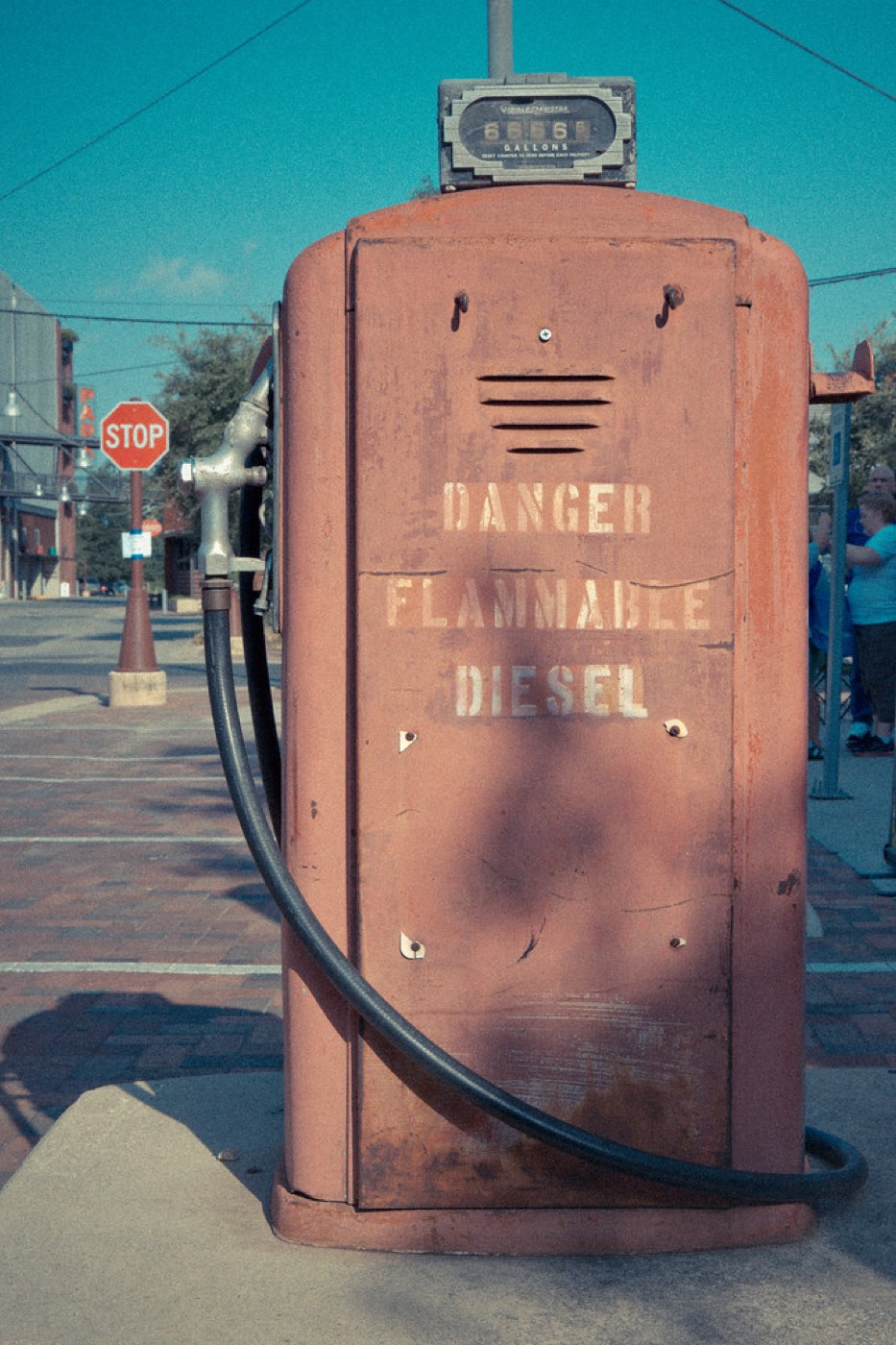
AdBlue Explained for Diesel Drivers
AdBlue is a fluid used by many modern diesels to reduce harmful nitrogen-oxide emissions. It is stored in a separate tank and consumed gradually as you drive. If it runs out, the car will usually refuse to restart once you switch off, so it is important to top it up promptly when warned. AdBlue is not fuel and has its own filler.
What AdBlue is and does
AdBlue is a clear, non-toxic fluid (a urea-and-water solution) used in modern diesel cars with an emissions system called SCR (selective catalytic reduction). It is injected into the exhaust, where it converts harmful nitrogen oxides into harmless nitrogen and water.
It is how many newer diesels meet strict emissions rules. It is not a fuel additive and does not go in the diesel tank; it has its own separate tank and filler, often near the fuel cap or in the boot.
How AdBlue is used up
The car uses a small amount of AdBlue continuously as you drive, so the tank slowly empties over time and miles. How quickly depends on the car and how it is driven, but it typically lasts a good few thousand miles between top-ups.
The car monitors the level and warns you in good time, usually with a message and a countdown of the miles remaining before it runs out. That warning is your prompt to top up; there is no need to do it before then.
What happens if you run out
This is the crucial point: if AdBlue runs out completely, the car will usually refuse to start once you switch the engine off. This is built in by law, because without AdBlue the car would exceed its emissions limits.
You can keep driving while warnings count down, but once it is empty and you stop, you may be stranded until you add more. So heed the warnings and top up before it reaches zero, rather than risking a no-start.
How to top up AdBlue
Topping up is straightforward. AdBlue is sold in bottles with a spout, and at some fuel stations from a pump. Find the AdBlue filler (check the handbook; it is separate from the diesel filler and usually has a blue cap), and pour in the correct amount.
- Use only proper AdBlue, which meets the required standard.
- Pour it into the AdBlue filler, never the diesel tank.
- Avoid spills, as it can mark paintwork; rinse any off with water.
Do not put AdBlue in the diesel tank
One serious mistake to avoid: never put AdBlue into the diesel fuel tank, or diesel into the AdBlue tank. The two systems are completely separate, and mixing them can cause expensive damage.
If you do put AdBlue in the diesel tank by mistake, do not start the engine; the car will need draining and flushing. The fillers are designed to be different to reduce this risk, but it is worth being careful, especially if someone else is filling up for you.
AdBlue and servicing
Many garages will top up or check AdBlue as part of a diesel service, and faults in the AdBlue or SCR system can trigger warnings and even prevent restarting, so they are worth diagnosing properly.
If you drive a modern diesel and are unsure about AdBlue, or have a warning you do not understand, we can help. We can top it up, check the system, and diagnose any AdBlue or emissions faults as part of a service.
Frequently Asked Questions
What is AdBlue and why does my diesel need it?
AdBlue is a clear, non-toxic urea-and-water fluid used by many modern diesels to reduce harmful nitrogen-oxide emissions, injected into the exhaust where it converts them to harmless nitrogen and water. It is how newer diesels meet emissions rules. It is not fuel and has its own separate tank.
What happens if I run out of AdBlue?
If AdBlue runs out completely, the car will usually refuse to restart once you switch the engine off, by design and law, because without it the car would exceed emissions limits. You can drive while warnings count down, but top up before it reaches zero to avoid being stranded.
How do I top up AdBlue?
Buy proper AdBlue in a bottle with a spout, or use a pump at some fuel stations. Find the AdBlue filler (separate from the diesel filler, usually a blue cap, check your handbook), and pour in the correct amount, avoiding spills. Never put it in the diesel tank.
Can I put AdBlue in the diesel tank?
No, never. AdBlue and diesel use completely separate systems, and putting AdBlue in the fuel tank (or diesel in the AdBlue tank) can cause expensive damage. If you do it by mistake, do not start the engine; the system will need draining and flushing.
How often do I need to add AdBlue?
The car uses a small amount continuously, so the tank empties gradually, typically lasting a good few thousand miles between top-ups depending on the car and driving. The car warns you in good time with a countdown, so top up when prompted rather than guessing.
Book With Norwich Tyres & Auto Service
Need a hand from a real, independent Norwich garage? Call 07933 900901 or pop into Ber Street, NR1 3ES. Same-day tyre fitting is available on most common sizes, with free parking on site.
Hero image: “Old Diesel Fuel Pump” by nan palmero (source), licensed under CC BY.