
DPF: Looking After Your Diesel Particulate Filter
A DPF (diesel particulate filter) traps soot from a diesel engine's exhaust to reduce emissions. It cleans itself through regeneration, burning off the trapped soot, but this needs the exhaust to get hot enough on longer, faster drives. Lots of short trips stop it regenerating, so it clogs and triggers a warning, which can be costly if ignored.
What a DPF does
Modern diesels produce soot, and the diesel particulate filter captures it from the exhaust so it is not released into the air, which is essential for meeting emissions standards. It is a fit-and-forget part when the car is used in the right way.
The catch is that the filter gradually fills with soot and must be cleared, or it blocks. That clearing process, regeneration, is where many short-trip diesels run into trouble.
How regeneration works
To clear itself, the DPF heats up enough to burn the trapped soot into a tiny amount of ash, a process called regeneration. There are two types: passive regeneration happens naturally on a long, faster drive when the exhaust is hot, and active regeneration is triggered by the car, injecting extra fuel to raise the temperature.
Either way, regeneration needs the engine to run hot for long enough, which is exactly what short, slow trips do not provide. A diesel that only does short journeys may never complete a regeneration.
Why short trips clog the DPF
This is the core problem for many diesel drivers. If you only do short, low-speed trips (the school run, a quick commute, town driving), the exhaust never gets hot enough for long enough to regenerate the DPF.
The soot builds up, the filter clogs, and eventually a warning light appears. This is why diesels are not well suited to mostly short-trip use, and why drivers who bought a diesel for that kind of driving often run into DPF trouble.
The DPF warning light
When the DPF is getting blocked, a warning light comes on to tell you it needs regenerating. Often the cure at this stage is simple: take the car for a steady drive at higher speed (such as a dual carriageway run) for 15 to 20 minutes to let it regenerate, following your handbook's guidance.
If you ignore the warning and keep doing short trips, the blockage worsens, other warnings may appear, the car may go into limp mode, and eventually the DPF needs forced regeneration or, in the worst case, expensive cleaning or replacement.
Keeping your DPF healthy
The best DPF care is suiting the driving to the car.
- Give a diesel a longer, faster run regularly so it can regenerate.
- Act on the DPF warning light promptly with a steady drive.
- Use the correct low-ash engine oil specified for your car.
- Keep up with servicing, as DPF health is linked to the engine running well.
Is a diesel right for you?
If almost all your driving is short, urban trips, a diesel and its DPF may be a poor match, and a petrol or hybrid could suit you better. If you do regular longer or motorway journeys, a diesel's DPF should look after itself.
If you have a DPF warning, are not sure why, or have a clogged filter, we can help. We can diagnose DPF and emissions faults and advise on the best course of action as part of a service, before a small issue becomes a big bill.
Frequently Asked Questions
What is a DPF?
A DPF (diesel particulate filter) traps soot from a diesel engine's exhaust so it is not released into the air, which is essential for meeting emissions standards. It gradually fills with soot and must clear itself through a process called regeneration, or it blocks and triggers a warning.
Why does my DPF keep blocking?
Usually because of short, low-speed trips. The DPF clears itself by regeneration, which needs the exhaust to get hot enough on a longer, faster drive. Short town trips never reach that, so soot builds up and the filter clogs. Diesels are not well suited to mostly short-trip use.
What should I do when the DPF light comes on?
Often you can clear it by taking the car for a steady drive at higher speed, such as a dual carriageway run, for 15 to 20 minutes to let it regenerate, following your handbook. If you ignore it and keep doing short trips, the blockage worsens and can become an expensive repair.
How do I keep my DPF healthy?
Give the diesel a longer, faster run regularly so it can regenerate, act promptly on the DPF warning with a steady drive, use the correct low-ash oil specified for your car, and keep up with servicing. Suiting the driving to the car is the key to avoiding DPF trouble.
Is a diesel a bad choice for short trips?
If almost all your driving is short, urban trips, a diesel and its DPF can be a poor match, as the filter may never regenerate and will clog. A petrol or hybrid may suit short-trip driving better. Diesels make most sense for regular longer or motorway journeys.
Book With Norwich Tyres & Auto Service
Need a hand from a real, independent Norwich garage? Call 07933 900901 or pop into Ber Street, NR1 3ES. Same-day tyre fitting is available on most common sizes, with free parking on site.
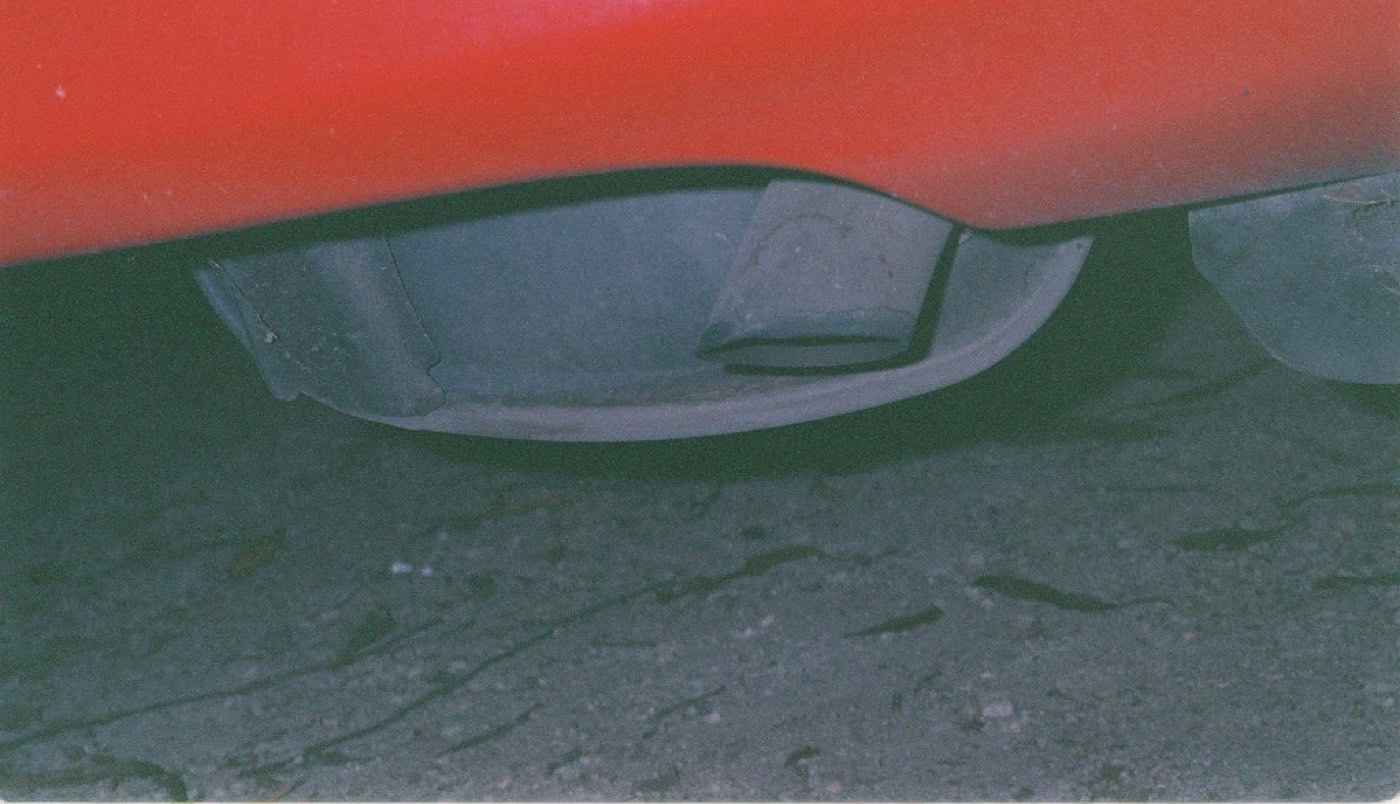
Hero image: “Car exhaust pipe close-up” by Matthew Paul Argall (source), licensed under CC BY.