
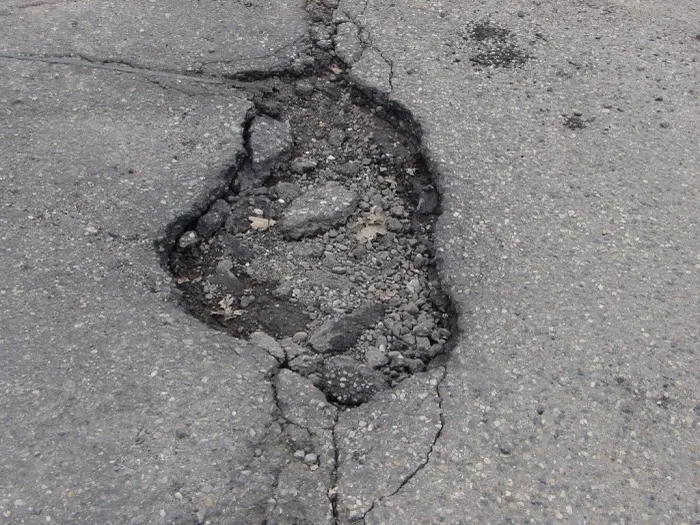
Pothole Damage: How to Spot It and What to Do
A hard pothole strike can damage your tyres, wheels, wheel alignment and suspension, sometimes without obvious signs. After hitting one, watch for sidewall bulges, the car pulling to one side, new vibrations or knocking noises, and uneven tyre wear. If you notice any of these, have the car checked promptly.
What potholes damage
The sudden impact of a pothole sends a shock through the wheel and suspension. Common damage includes split or bulging tyres, buckled or cracked wheels, knocked-out alignment and worn or broken suspension parts.
Some damage is obvious, but alignment and internal tyre damage can be hidden, which is why a check after a hard strike is sensible even if the car seems fine immediately afterwards.
Signs to look for
After hitting a pothole, look and listen for these warning signs.
- A bulge or split in the tyre sidewall.
- The car pulling to one side on a straight road.
- A new vibration through the steering wheel.
- Knocking or clunking noises over bumps.
- The steering wheel sitting off-centre.
Any of these means it is worth getting checked.
What to do next
If you spot a bulging or split tyre, stop driving on it, as it could fail suddenly. For other symptoms, book a check of the tyres, wheels, alignment and suspension.
Catching pothole damage early prevents it causing further problems, such as uneven tyre wear from misalignment eating through a new tyre prematurely, or a cracked alloy slowly losing pressure.
Hidden damage you can't see
The most concerning pothole damage is the kind you cannot see. A hard hit can crack a tyre's internal structure, leaving it intact on the outside but weakened and prone to a later blowout, or it can knock alignment out by a small amount that only shows up as uneven tyre wear weeks later.
Suspension components like springs, bushes and track rod ends can also be stressed without an obvious immediate symptom. This is why a quick professional check after a significant strike is worthwhile, even when the car drives away seeming normal.
How to avoid pothole damage
You cannot avoid every pothole, but you can reduce the damage. Keep your tyres correctly inflated, as an under-inflated tyre offers less protection to the wheel on impact, and leave enough space ahead to see the road surface in good time.
If you cannot safely avoid a pothole, slow down before it rather than braking hard on top of it, which pitches the car forward and increases the impact on the front wheels. Going through more gently and squarely does less harm than hitting it at speed at an angle.
Keep a record
If the damage is significant, you may be able to claim from the council responsible for the road. Note the exact location, date and time, and photograph the pothole and the damage if it is safe to do so.
We can inspect the car and give you a written assessment of the damage, which is useful evidence. Bring it in and we will tell you honestly what the pothole has done and what it needs, and you can read more in our guide to claiming for pothole damage in Norfolk.
Frequently Asked Questions
How do I know if a pothole damaged my car?
Look for sidewall bulges or splits, the car pulling to one side, new vibration through the steering, knocking noises over bumps, or an off-centre steering wheel. Any of these after a hard pothole strike suggests tyre, wheel, alignment or suspension damage that should be checked.
Is it safe to drive after hitting a pothole?
If the car drives normally with no bulging tyre, pulling, vibration or noises, it may be fine, but a check is wise after a hard hit because some damage is hidden. If you see a tyre bulge or split, or the car pulls or vibrates, have it checked before driving far.
Can a pothole knock my wheel alignment out?
Yes, a sharp pothole strike is one of the most common causes of sudden misalignment. If your car pulls to one side or you notice uneven tyre wear after hitting a pothole, have the alignment checked. Correcting it early prevents premature, uneven tyre wear.
Can pothole damage be hidden?
Yes. A hard hit can crack a tyre internally with no outward sign, knock alignment out by a small amount that only shows as uneven wear later, or stress suspension parts without an obvious symptom. That is why a professional check after a significant strike is worthwhile.
How can I reduce pothole damage?
Keep tyres correctly inflated for better impact protection, leave space ahead to spot potholes early, and if you cannot avoid one, slow down before it rather than braking on top of it. Going through more gently and squarely causes far less damage than hitting it hard at an angle.
Book With Norwich Tyres & Auto Service
Need a hand from a real, independent Norwich garage? Call 07933 900901 or pop into Ber Street, NR1 3ES. Same-day tyre fitting is available on most common sizes, with free parking on site.
Hero image: “Beware of Potholes- Bad Roads” by TireZoo (source), licensed under CC BY.