
Why Is My Exhaust Blowing? Common Exhaust Problems
A blowing exhaust is caused by a leak in the system, most often from corrosion, a cracked section or a failed joint or gasket. As well as being noticeably louder, it can fail the MOT, harm efficiency and emissions, and in some cases let dangerous fumes into the cabin, so it should be checked promptly.
What causes an exhaust to blow
A blowing noise means exhaust gas is escaping from somewhere it should not. The most common cause is corrosion, as the exhaust sits under the car exposed to water, salt and heat cycles.
Other causes include a cracked silencer or pipe, a failed joint or gasket, or damage from hitting debris or a speed bump. The noise is often a low rumble or a louder roar that worsens over time as the leak grows.
Why it matters
A blowing exhaust is not just an annoyance. It can have real consequences for safety, legality and running costs.
- It is an MOT failure if the system leaks or is insecure.
- Leaks before the sensors can affect running and emissions.
- In the worst cases, fumes including carbon monoxide can enter the cabin.
The fume risk is why a blow should be checked without delay.
Short trips and corrosion
Lots of short journeys make exhaust corrosion worse. The exhaust does not get hot enough for long enough to burn off the moisture that forms inside it, so condensation sits in the system and rots it from the inside.
This is why cars used mainly for short trips often need exhaust work sooner. An occasional longer drive helps clear the moisture out and can extend the life of the system.
Parts of the exhaust that fail
The exhaust is a system of parts, and knowing them helps you understand a quote. The flexi-pipe near the engine and the joints between sections are common early failure points, the silencer (back box) often corrodes, and gaskets can blow at joints.
The catalytic converter and, on diesels, the particulate filter are more expensive components that can fail or block, sometimes signalled by a warning light or poor running. Often only the failed section needs replacing rather than the whole system, which keeps costs down when caught early.
Catalytic converters and emissions
The catalytic converter cleans up the exhaust gases and is essential for passing the MOT emissions test. A blowing leak before it, a misfire, or the wrong fuel or oil can damage it, and a failed cat is an expensive part to replace.
This is one reason not to ignore a blowing exhaust or a flashing engine light, as both can contribute to converter damage. Looking after the basics, fixing leaks promptly and keeping the engine running properly, helps protect this costly component.
What to do about it
If you hear a new blowing or roaring noise, have the exhaust inspected. Often a small leak or a single corroded section can be repaired or that part replaced, rather than needing the whole system.
Catching it early keeps the cost down and avoids an MOT failure. We offer exhaust repairs from minor blows to full replacements, so bring it in and we will advise honestly on the most cost-effective fix.
Frequently Asked Questions
Is it safe to drive with a blowing exhaust?
It is best not to drive far with a blowing exhaust. As well as being loud and an MOT failure, a leak can let exhaust fumes, including carbon monoxide, into the cabin, which is dangerous. Have it inspected promptly, as a small leak caught early is usually a cheap repair.
What causes an exhaust to blow?
The usual cause is a leak from corrosion, as the exhaust is exposed to water, salt and heat under the car. Cracked pipes or silencers, failed joints and gaskets, or impact damage can also cause it. Lots of short trips accelerate corrosion by leaving moisture inside the system.
Can a blowing exhaust be repaired or does it need replacing?
Often a small leak or a single corroded section can be repaired or that part replaced, rather than the whole system. Catching it early keeps the cost down. If corrosion is widespread, more of the system may need replacing. We will inspect it and recommend the most cost-effective fix.
What does a catalytic converter do?
The catalytic converter cleans up harmful gases in the exhaust and is essential for passing the MOT emissions test. It can be damaged by a misfire, leaks, or the wrong fuel or oil, and is expensive to replace, which is why fixing leaks and engine faults promptly helps protect it.
Why does my exhaust corrode so quickly?
Short journeys are the main culprit, as the exhaust never gets hot enough for long enough to burn off internal moisture, so condensation sits inside and rots it from within. Road salt in winter attacks it from outside too. An occasional longer drive helps clear the moisture out.
Book With Norwich Tyres & Auto Service
Need a hand from a real, independent Norwich garage? Call 07933 900901 or pop into Ber Street, NR1 3ES. Same-day tyre fitting is available on most common sizes, with free parking on site.
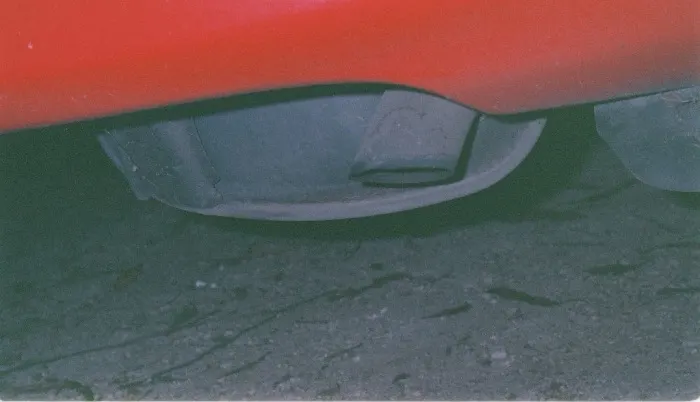
Hero image: “Car exhaust pipe close-up” by Matthew Paul Argall (source), licensed under CC BY.