How to Make Your Tyres Last Longer
To make your tyres last longer, keep them at the correct pressure, have your wheel alignment checked and corrected, drive smoothly while avoiding kerbs and potholes, and check them regularly. Correct pressure and alignment are the two biggest factors, and together they can add thousands of miles to a set of tyres.
Keep pressures correct
Incorrect pressure is one of the fastest ways to wear out tyres. Under-inflation wears the edges and builds up heat, while over-inflation wears the centre, and both shorten tyre life.
Check pressures monthly when cold and set them to your car maker's figure. It is the single easiest habit for getting more miles from your tyres, and it saves fuel and improves grip at the same time.
Get the alignment right
Wheel alignment has a huge effect on tyre life. Even a small misalignment makes the tyres scrub against the road at an angle, wearing one edge rapidly.
Have your alignment checked once a year, after pothole or kerb strikes, and when fitting new tyres. Correct alignment can be the difference between a tyre lasting its full life and wearing out early on one edge.
Drive smoothly
How you drive directly affects how long your tyres last. Aggressive driving scrubs rubber off far faster than smooth, anticipatory driving.
- Accelerate and brake gently rather than harshly.
- Take corners smoothly rather than scrubbing through them.
- Avoid kerbing the tyres when parking.
- Slow down for potholes and speed bumps.
Balancing and rotation
Two more habits help even out wear. Wheel balancing keeps the tread meeting the road evenly and prevents the patchy, cupped wear that an unbalanced wheel causes over time.
On many cars, rotating the tyres (swapping front to rear) periodically evens out the faster front wear, helping all four wear out closer together. Not every car or tyre suits rotation, especially with directional or staggered fitments, so ask us whether it makes sense for yours.
Storage, loads and not overloading
Other factors play a part too. Carrying heavy loads constantly, or regularly exceeding the car's weight limits, stresses tyres and wears them faster, so use the laden pressures when loaded and avoid overloading.
If you store a spare set of tyres, keep them somewhere cool, dry and out of direct sunlight to stop the rubber perishing. And remember tyres age even when barely used, so very low-mileage tyres can need replacing on age before they wear out.
Check and catch problems early
Regular checks catch problems early, before they ruin a tyre. Look for uneven wear, which signals a pressure or alignment issue to fix before it eats the tread, and remove any stones or debris lodged in the grooves.
We are happy to check your tyres and advise on getting the most from them. A few good habits, correct pressures, sound alignment, smooth driving and regular checks, genuinely add thousands of miles and save you money over the life of the car.
Frequently Asked Questions
What makes tyres wear out faster?
The biggest culprits are incorrect pressures, poor wheel alignment and aggressive driving. Under-inflation wears the edges, over-inflation wears the centre, misalignment wears one side, and hard acceleration, braking and cornering scrub rubber off quickly. Kerbing and potholes cause damage too.
Does wheel alignment really affect tyre life?
Hugely. Even slight misalignment makes tyres drag against the road at an angle, wearing one edge rapidly and potentially halving a tyre's life. Having alignment checked yearly and after pothole or kerb strikes is one of the most effective ways to make your tyres last longer.
How can I get more miles from my tyres?
Keep pressures correct and check them monthly, have the alignment checked and corrected, drive smoothly and avoid kerbs and potholes, and get the wheels balanced. These simple habits keep wear even and slow, and together can add thousands of miles to a set of tyres.
Should I rotate my tyres?
On many cars, rotating tyres front to rear periodically evens out the faster front wear, so all four wear out closer together. However, directional or staggered fitments may not suit rotation, so it is not right for every car. Ask us whether rotation makes sense for your vehicle.
Do tyres wear out from age even if I barely drive?
Yes. Rubber ages and perishes over time regardless of mileage, so a low-mileage car can need new tyres on age and condition before the tread runs out. Check the DOT date code, and have older tyres inspected for cracking even if they still have plenty of tread.
Book With Norwich Tyres & Auto Service
Need a hand from a real, independent Norwich garage? Call 07933 900901 or pop into Ber Street, NR1 3ES. Same-day tyre fitting is available on most common sizes, with free parking on site.
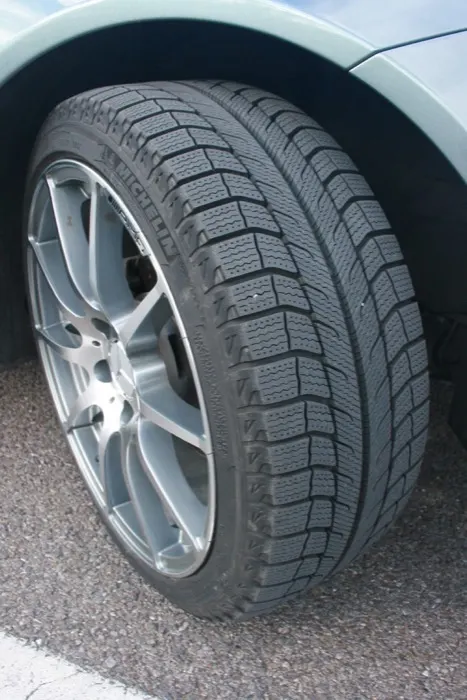
Hero image: “My new Michelin 'winter' Tyres” by Supermac1961 (source), licensed under CC BY.