Kerbed Alloys: Can Scuffed Wheels Be Repaired?
Most cosmetic kerb scuffs and light scratches on alloy wheels can be refurbished to look like new. However, cracks, buckles or severe gouges can be structural and may be unsafe or beyond repair. Because it is not always obvious from a scuff whether the wheel is also damaged underneath, it is worth having significant kerb damage checked.
Cosmetic damage that can be repaired
The good news is that the most common alloy damage is cosmetic and repairable. Light kerb scuffs, scratches and surface corrosion on the face of the wheel can usually be refurbished, restoring the finish and colour.
This is purely about appearance and protecting the metal from further corrosion; the wheel's strength is unaffected. A tidy refurbishment can make a scuffed wheel look factory-fresh and is far cheaper than a replacement alloy.
Damage that is more serious
Some alloy damage goes beyond cosmetic and can affect safety, so it should never be ignored.
- Cracks in the wheel, which can leak air or fail under load.
- Buckles or bends from a hard pothole or kerb strike.
- Deep gouges that remove a lot of metal.
- Corrosion that has eaten into the structure or the bead seat.
These may make a wheel unsafe to repair, and replacement is sometimes the only safe option.
Signs your alloy is structurally damaged
Structural alloy damage often shows up in how the car drives or holds pressure. A buckled wheel commonly causes a vibration through the steering or seat at certain speeds, similar to an out-of-balance wheel but not curable by balancing.
A crack or a damaged bead seat can cause a slow, persistent air leak that no amount of pumping fixes. If you have a vibration or a recurring soft tyre after a kerb or pothole strike, the wheel itself may be the cause and needs inspecting.
Why a buckled alloy matters
A buckled or cracked alloy is not just an annoyance. It can leak air, cause persistent vibration that wears tyres and suspension, and in a worst case fail under stress, which is dangerous at speed.
A leaking bead seal also means the tyre never holds pressure properly, undoing all the safety and economy benefits of correct inflation. So structural alloy damage is worth taking seriously, not just living with the wobble.
Protecting your alloys
Prevention is easier than repair. Park with a sensible gap from the kerb and take it slowly when manoeuvring into tight spaces, as most kerb damage happens at low speed during parking.
Keeping tyres at the correct pressure helps too, as a well-inflated tyre cushions the rim better against pothole and kerb impacts. On Norfolk's pothole-marked roads, slowing for bad surfaces protects both the alloys and the tyres.
Get kerb damage checked
If you have kerbed or potholed a wheel hard, it is worth having it checked rather than assuming the scuff is only skin-deep. We can inspect the wheel and tyre for hidden damage, check for buckles and leaks, and advise whether a refurbishment is enough or the wheel needs replacing.
We will also check the balance and alignment, as a hard strike often affects those too. An honest assessment means you spend money only where it is genuinely needed.
Frequently Asked Questions
Can scuffed alloy wheels be repaired?
Yes. Most cosmetic kerb scuffs, scratches and surface corrosion on the face of an alloy can be refurbished to look like new, restoring the finish without affecting the wheel's strength. It is far cheaper than a replacement alloy and is purely about appearance and protecting the metal.
When can an alloy not be repaired?
When the damage is structural: cracks, buckles, deep gouges that remove a lot of metal, or corrosion that has eaten into the structure or bead seat. These can be unsafe or beyond repair, and replacement is sometimes the only safe option. Have significant damage inspected to be sure.
Can a buckled alloy cause vibration?
Yes. A buckled wheel commonly causes a vibration through the steering or seat at certain speeds, similar to an out-of-balance wheel but not curable by balancing. If you have a vibration after a kerb or pothole strike, the wheel itself may be buckled and needs inspecting.
Why does my tyre keep going soft after kerbing the wheel?
A kerb or pothole strike can crack the alloy or damage the bead seat where the tyre seals against the rim, causing a slow, persistent leak that pumping up does not fix. If a tyre keeps going soft after hitting a kerb, have the wheel checked, as the rim may be the cause.
How can I protect my alloy wheels?
Most kerb damage happens at low speed when parking, so leave a sensible gap from the kerb and manoeuvre slowly into tight spaces. Keep tyres correctly inflated, which cushions the rim against impacts, and slow down for potholes, which protects both the alloys and the tyres.
Book With Norwich Tyres & Auto Service
Need a hand from a real, independent Norwich garage? Call 07933 900901 or pop into Ber Street, NR1 3ES. Same-day tyre fitting is available on most common sizes, with free parking on site.
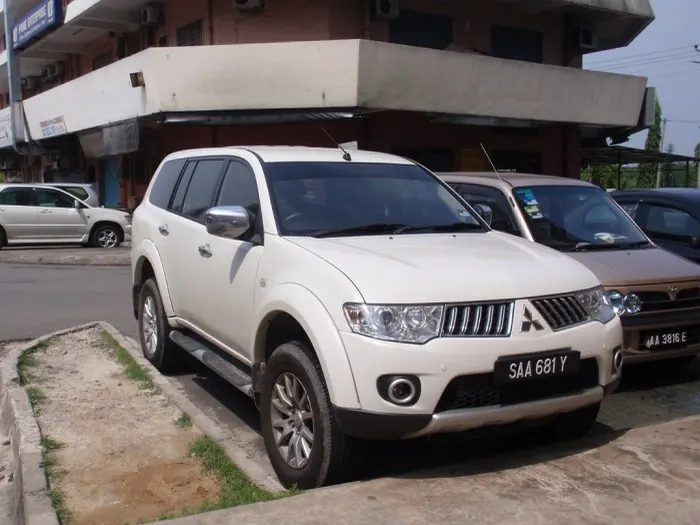
Hero image: “Mitsubishi Pajero Sport Spotted At Kota Kinabalu” by thienzieyung (source), licensed under CC BY.