Knocking Over Bumps? Common Suspension Causes
A knocking or clunking noise over bumps usually means a worn suspension or steering component, such as a drop link, bush, ball joint, top mount or shock absorber. Some of these are safety-related and affect how the car handles, so a knock that is getting worse, or comes with vague handling, should be checked promptly.
Why your suspension knocks
Your suspension is full of joints, bushes and links that let the wheels move up and down while keeping them located and the ride controlled. As these wear, they develop play, and that slack lets parts move and knock against each other over bumps.
So a knock or clunk over rough roads, speed bumps or potholes is usually the sound of a worn component with play in it. Pinpointing which one needs a proper inspection, as several parts can make similar noises.
Common culprits
A few worn parts account for most over-bump knocks.
- Anti-roll bar drop links, a very common and often inexpensive cause.
- Worn suspension bushes, which perish and crack with age.
- Ball joints and track rod ends, which are safety-related steering parts.
- Worn shock absorbers or their top mounts.
Tired drop links are one of the most frequent reasons for a knock over bumps.
Which ones are safety-critical
Not all knocks are equally urgent, but some involve safety-related parts. Ball joints, track rod ends and other steering and suspension joints connect your wheels to the car; if one fails completely, it can cause a loss of control.
That is why a knock should not just be lived with indefinitely. While a worn drop link is usually a minor, cheap fix, the same noise could come from a more serious part, and only an inspection can tell which. These items are also checked at the MOT.
Knocks, handling and tyre wear
Worn suspension does more than make a noise. It can make the car feel vague, wallow over bumps, or wander on the road, and it can upset the wheel alignment, leading to uneven tyre wear.
So if a knock comes with poor handling, a floaty ride, or you notice your tyres wearing unevenly, the suspension is worth investigating. Fixing worn parts restores proper handling and can save you money on prematurely worn tyres.
When to get it checked
A faint, occasional knock might just be a drop link, but it is impossible to be sure by ear alone, and noises tend to worsen as parts wear further. Get it checked if the knock is getting louder or more frequent, the handling has changed, or the car feels loose or vague.
A suspension inspection involves checking each joint, bush and link for play, often with the car raised. We can identify exactly which part is knocking rather than guessing or replacing parts that are fine.
Getting to the cause
Because several parts can cause a similar knock, the right approach is a proper inspection to find the actual worn component, then replace it. Often it is a straightforward, inexpensive part like a drop link or bush.
We can inspect your suspension and steering, identify the knock, and carry out the repair, and check your alignment afterwards if needed, as suspension work can affect it. Sorting a knock keeps the car safe, comfortable and kind to its tyres.
Frequently Asked Questions
Why does my car knock over bumps?
A knock or clunk over bumps usually means a worn suspension or steering component with play in it, such as a drop link, bush, ball joint, top mount or shock absorber. The slack lets parts move and knock. Pinpointing which one needs a proper inspection, as several can sound similar.
Is a knocking noise from the suspension dangerous?
It can be. While a worn anti-roll bar drop link is often a minor, cheap fix, the same noise could come from a safety-related part like a ball joint or track rod end, which can cause loss of control if it fails. Because you cannot tell by ear, have it inspected promptly.
What is the most common cause of a knock over bumps?
Worn anti-roll bar drop links are one of the most frequent causes, and are usually an inexpensive fix. Perished suspension bushes are another common one. But ball joints, track rod ends, shock absorbers and top mounts can make similar noises, so an inspection confirms the actual cause.
Can worn suspension cause uneven tyre wear?
Yes. Worn suspension parts can upset the wheel alignment and let the wheels move out of position, leading to uneven tyre wear, as well as vague handling and a floaty ride. Fixing the worn parts restores proper handling and can save you money on prematurely worn tyres.
Should I worry about a faint occasional knock?
It might just be a drop link, but you cannot be sure by ear, and noises tend to worsen as parts wear further. Get it checked if the knock is getting louder or more frequent, the handling has changed, or the car feels loose or vague, as some causes are safety-related.
Book With Norwich Tyres & Auto Service
Need a hand from a real, independent Norwich garage? Call 07933 900901 or pop into Ber Street, NR1 3ES. Same-day tyre fitting is available on most common sizes, with free parking on site.
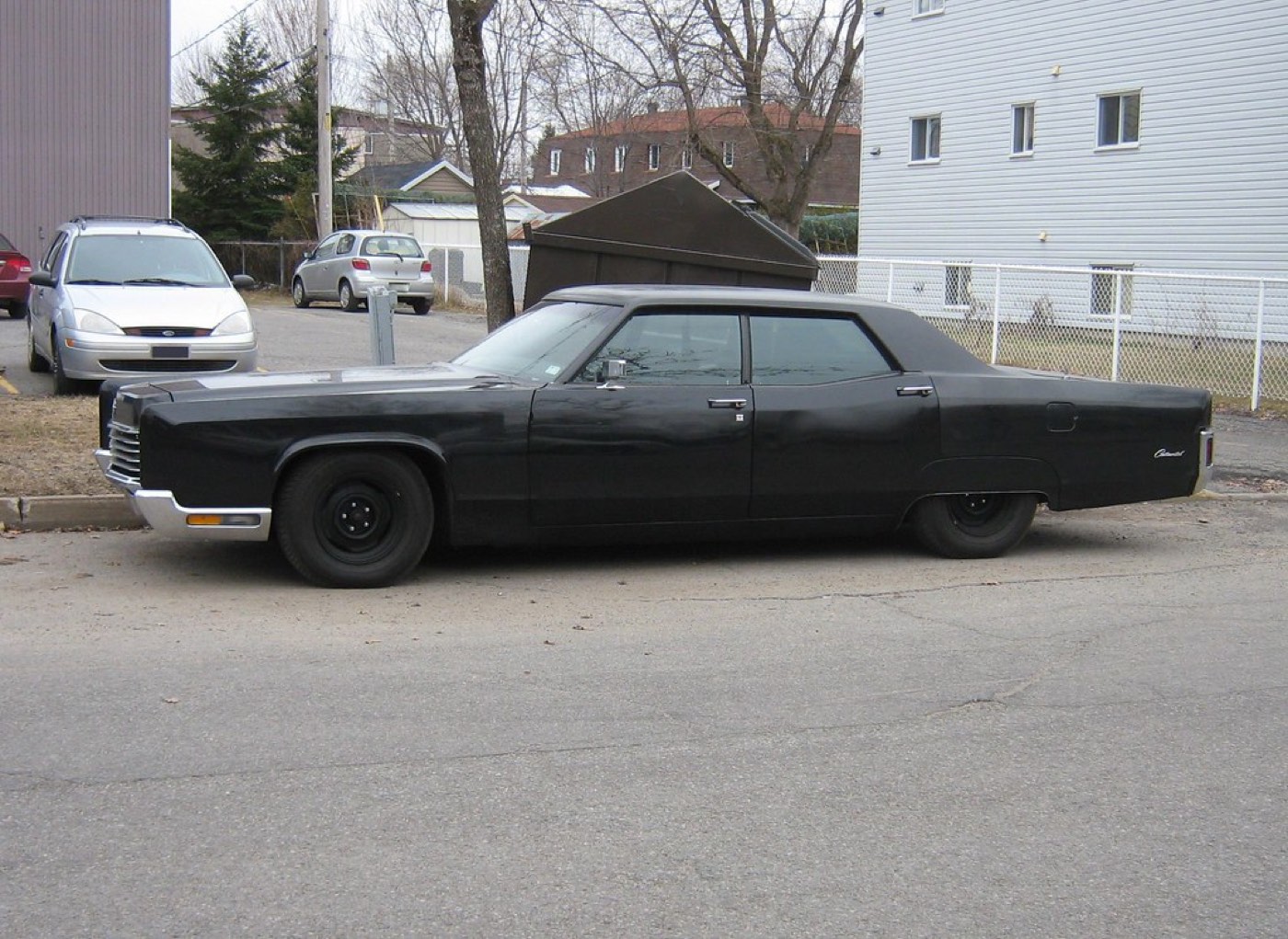
Hero image: “Gangster-styled car - Murdered out 1970 Lincoln Continental” by 1970_Lincoln_Continental (source), licensed under CC BY.