Low-Profile Tyres: Pros, Cons and How to Look After Them
Low-profile tyres have a shorter sidewall (a lower profile number, such as 40 or 45) and usually a wider tread. They improve steering response and grip and look sporty on large alloys, but the trade-offs are a firmer ride, less protection from potholes and kerbs, and often a higher price.
What makes a tyre low-profile
The profile is the middle number in a tyre size, such as the 45 in 225/45 R17. It is the sidewall height as a percentage of the width, so a lower number means a shorter sidewall.
Low-profile tyres typically have a profile of around 45 or less, paired with larger-diameter alloy wheels. The look is sporty and aggressive, which is why they are popular on performance and prestige cars and as an upgrade on larger alloys.
The pros
Low-profile tyres have genuine performance benefits, especially on a car set up for them.
- Sharper steering response and more direct feel, as there is less sidewall flex.
- Better grip and stability when cornering, with a wider tread.
- A sportier, more planted look on larger alloy wheels.
For keen drivers and performance cars, these are real advantages.
The cons
The trade-offs are the flip side of that short, stiff sidewall. The ride is firmer, so bumps and rough surfaces are felt more in the cabin, which some drivers find tiring over time.
The short sidewall also offers less cushioning against potholes and kerbs, so the tyre and alloy are more easily damaged by a hard hit. Low-profile tyres are often pricier too, and a damaged large alloy is expensive to repair or replace.
Potholes, kerbs and alloy damage
This is the big practical issue, especially on Norfolk's pothole-prone roads. With little sidewall to absorb an impact, a low-profile tyre transmits more of a pothole strike to the wheel, making buckled or cracked alloys and split tyres more likely.
Driving with a bit more care, slowing for potholes and avoiding kerbing when parking, makes a real difference to how long low-profile tyres and alloys survive. Keeping pressures correct also helps, as an under-inflated low-profile tyre offers even less protection.
Looking after low-profile tyres
A few habits keep low-profile tyres performing and lasting. Check pressures at least monthly, as the small air volume means pressure changes have a bigger effect, and the correct pressure is important for both protection and even wear.
Have alignment checked regularly, as low-profile tyres can show uneven wear quickly when it is out, and get any kerb or pothole damage inspected promptly. We can check the tyres, alignment and alloys together to keep everything in good order.
Are they right for you?
Low-profile tyres suit drivers who value sharp handling and the sporty look and accept a firmer ride and a bit more care around potholes. If comfort and low running costs matter most, a higher-profile tyre on a smaller alloy may suit you better.
If your car came on low-profile tyres, stick to the correct size unless you have checked an alternative is approved. Tell us your car and how you use it, and we will advise on the right tyres and look after the alloys when we fit them.
Frequently Asked Questions
What are low-profile tyres?
Low-profile tyres have a shorter sidewall, shown by a lower profile number such as 40 or 45 in the size, usually paired with larger alloy wheels. They give sharper steering and grip and a sporty look, at the cost of a firmer ride and less protection from potholes.
Do low-profile tyres damage more easily?
They can. The short, stiff sidewall offers less cushioning against potholes and kerbs, so the tyre and alloy are more easily damaged by a hard hit. Slowing for potholes, avoiding kerbing, and keeping pressures correct all help reduce the risk of buckled alloys and split tyres.
Are low-profile tyres worth it?
For keen drivers and performance cars, the sharper handling and look are worth the firmer ride. If comfort and low running costs matter more, a higher-profile tyre on a smaller alloy may suit you better. It depends on what you value and the roads you drive on.
Why is the ride harder on low-profile tyres?
The shorter sidewall has less air and rubber to absorb bumps, so more of the road surface is transmitted into the cabin. That stiffness improves handling response but makes the ride firmer, which some drivers find tiring on rough or pothole-marked roads over time.
How do I look after low-profile tyres?
Check pressures at least monthly, as the small air volume makes pressure changes more significant, drive carefully around potholes and kerbs, and have alignment checked regularly since low-profile tyres show uneven wear quickly. Get any kerb or pothole damage inspected promptly.
Book With Norwich Tyres & Auto Service
Need a hand from a real, independent Norwich garage? Call 07933 900901 or pop into Ber Street, NR1 3ES. Same-day tyre fitting is available on most common sizes, with free parking on site.
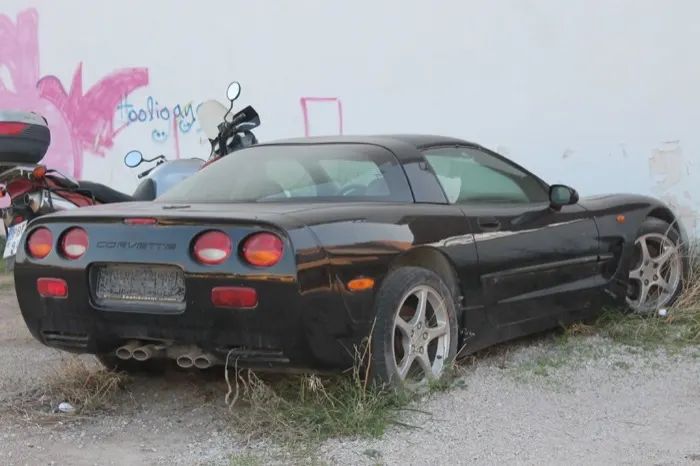
Hero image: “Abandoned Chevrolet Corvette” by charles cars (source), licensed under CC BY.