Why Is My Engine Overheating? Common Causes
An engine usually overheats because of low coolant, a coolant leak, a failing thermostat, a faulty water pump, or a blocked radiator or cooling fan. If your temperature gauge climbs into the red, stop safely as soon as you can and switch off, as continuing to drive can cause serious and expensive engine damage.
The most common causes
Overheating nearly always traces back to the cooling system not doing its job. The usual culprits are straightforward.
- Low coolant, often from a slow leak or being overdue a top-up.
- A failing thermostat stuck closed, blocking coolant flow.
- A faulty water pump not circulating the coolant.
- A blocked radiator or a cooling fan that is not running.
A blown head gasket can also cause it, and may show as white exhaust smoke or coolant loss with no visible leak.
What to do if it overheats
If the temperature gauge climbs towards the red or a warning light appears, do not press on. Turn off the air con and turn the heater to full hot, which draws heat away from the engine, then pull over safely as soon as you can and switch the engine off.
Let it cool for at least 20 to 30 minutes before doing anything else. Continuing to drive a seriously overheating engine risks warping the head or blowing the gasket, turning a cheap fix into a major repair.
Never open a hot coolant cap
This is the one safety rule that really matters: never remove the radiator or expansion tank cap while the engine is hot. The cooling system is pressurised, and opening it can release a jet of scalding coolant and steam, causing serious burns.
Wait until the engine is completely cool before checking or topping up the coolant. If you cannot wait safely, or the car keeps overheating, it is better to call for help than risk injury or further damage.
Checking coolant safely
With the engine cold, check the coolant level against the minimum and maximum marks on the expansion tank. If it is low, top up with the correct coolant or antifreeze mix for your car, not just water, which offers no frost or corrosion protection.
If you are repeatedly topping up, you have a leak somewhere, which needs finding and fixing. A puddle under the car, a sweet smell, or coolant stains around hoses and the radiator are common signs of where it is escaping.
Why overheating is so damaging
Engines run within a fairly narrow temperature range, and serious overheating can warp the cylinder head, blow the head gasket or even seize the engine. These are among the most expensive repairs a car can need.
That is why acting quickly matters so much. The few minutes it takes to stop safely and let the engine cool can be the difference between a minor coolant fix and a four-figure repair bill, so never try to nurse an overheating engine home.
Preventing overheating
Most overheating is preventable. Check your coolant level regularly, especially before long or hot-weather drives, and have any leaks dealt with promptly rather than topping up week after week.
Regular servicing catches a tired thermostat, water pump or perished hoses before they fail, and keeps the coolant fresh. We can check your cooling system as part of a service and put right anything that could leave you steaming on the hard shoulder.
Frequently Asked Questions
What causes an engine to overheat?
The common causes are low coolant, a coolant leak, a thermostat stuck closed, a failing water pump, or a blocked radiator or cooling fan. A blown head gasket can also cause it. Most trace back to the cooling system not circulating or holding enough coolant.
What should I do if my car overheats?
Turn off the air con and turn the heater to full hot to draw heat away, then pull over safely as soon as you can and switch off the engine. Let it cool for 20 to 30 minutes. Do not keep driving, as continuing can cause serious, expensive engine damage.
Can I open the coolant cap when the engine is hot?
No, never. The cooling system is pressurised when hot, and opening the cap can release scalding coolant and steam, causing serious burns. Always wait until the engine is completely cool before checking or topping up the coolant, or call for help instead.
Can I use water instead of coolant?
Only as a last-resort, get-you-home top-up in an emergency. Water alone offers no frost protection and no corrosion inhibitors, so it can freeze in winter and damage the system over time. Top up with the correct coolant or antifreeze mix for your car as soon as you can.
How do I stop my engine overheating?
Check the coolant level regularly, especially before long or hot drives, fix any leaks promptly rather than repeatedly topping up, and keep up with servicing so a tired thermostat, water pump or perished hose is caught before it fails. We can check the cooling system during a service.
Book With Norwich Tyres & Auto Service
Need a hand from a real, independent Norwich garage? Call 07933 900901 or pop into Ber Street, NR1 3ES. Same-day tyre fitting is available on most common sizes, with free parking on site.
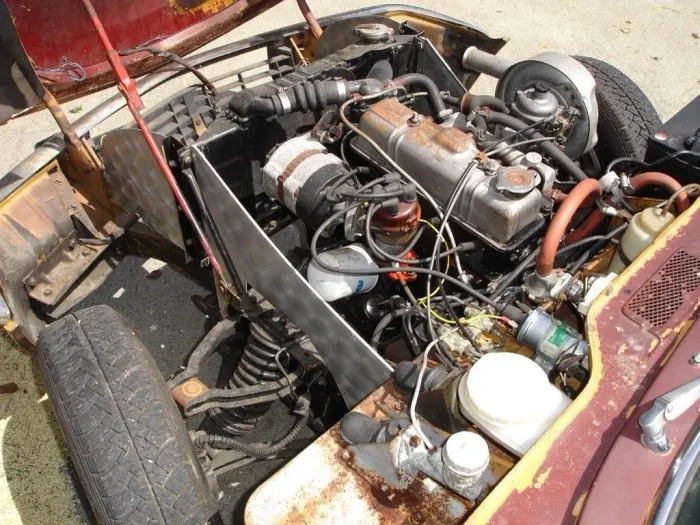
Hero image: “Summer Project Car - Engine Bay” by bradleyolin (source), licensed under CC BY.