
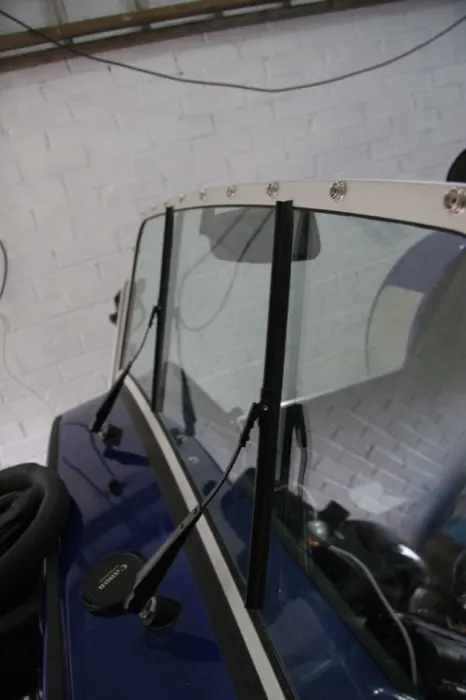
Wiper Blades: When and How to Replace Them
Replace your wiper blades when they smear, streak, judder or squeak, or roughly every 6 to 12 months, as the rubber perishes with sun and use. Worn wipers badly reduce visibility in rain and against low sun, which is a genuine safety issue, and a faulty wiper is also an MOT failure.
Why wipers matter for safety
Wipers are easy to ignore until it pours with rain or the low sun hits a dirty screen. At that moment, a smearing blade can leave you almost unable to see, which is why worn wipers are a real safety hazard, not just an annoyance.
Good visibility is the foundation of safe driving, and the wipers and screenwash are what keep it in bad weather. A faulty wiper that does not clear the screen is also an MOT failure, so it is worth keeping them in good order.
Signs your wipers need replacing
Worn blades give clear warnings. Watch and listen for these as you drive in the wet.
- Smearing or streaking that does not clear with a second wipe.
- Juddering or chattering across the screen.
- Squeaking, or missed patches left behind.
- Visible splits, hardening or lifting of the rubber edge.
Any of these means the blades are past their best and due for replacement.
How often to replace them
As a guide, wiper blades last around 6 to 12 months, though it depends on use and conditions. Sun, heat and grit all perish the rubber, so blades often degrade faster than drivers expect, especially over a hot summer.
A good routine is to fit fresh blades each autumn, ahead of the wet, dark months when you rely on them most. They are inexpensive, so there is no reason to struggle on with smeary wipers through a Norfolk winter.
Looking after your wipers
A few habits make blades last longer and work better. Keep the windscreen clean, as grit and grime grind away the rubber edge, and clean the blades themselves occasionally with a damp cloth.
Never run the wipers on a dry screen, which tears the rubber, or on a frozen one, which can damage the blades or burn out the wiper motor. In winter, lift the blades or use a cover to stop them freezing to the glass overnight.
Screenwash matters too
Wipers work best with plenty of screenwash. Topping up with a proper screenwash (not just water) cuts smearing, removes grease and bugs, and a winter-rated mix will not freeze in the bottle or on the glass.
Plain water freezes, encourages bacteria and does not shift road film well, so a proper screenwash concentrate is worth using year-round. Keep the bottle topped up, as you will get through far more than you expect once the salt and spray of winter arrive.
Getting them replaced
Wiper blades are quick and cheap to replace, and getting the right fit for your car matters, as fitments and lengths vary. If you are not sure which blades you need or how to fit them, we can supply and fit the correct ones for you.
We also check the wipers and washers as part of a service, so worn blades get flagged before they leave you peering through a smeared screen on a wet evening.
Frequently Asked Questions
How often should I replace wiper blades?
Roughly every 6 to 12 months, though it depends on use and conditions, as sun, heat and grit perish the rubber. A good routine is to fit fresh blades each autumn before the wet, dark months. They are inexpensive, so there is no need to struggle on with smeary wipers.
How do I know my wipers need changing?
Look for smearing or streaking that does not clear, juddering or chattering, squeaking, missed patches, or visible splits and hardening of the rubber edge. Any of these means the blades are past their best. Worn wipers reduce visibility badly in rain and low sun and are an MOT failure.
Are worn wipers an MOT failure?
Yes. Wipers that do not clear the windscreen effectively, or are damaged, are an MOT failure because they compromise the driver's view. More importantly, they are a genuine safety hazard in heavy rain or against low sun, so it is worth replacing them as soon as they start smearing.
Can I use water instead of screenwash?
It is much better to use a proper screenwash. Plain water freezes in winter, does not shift grease and road film well, and can encourage bacteria in the bottle. A proper screenwash concentrate, in a winter-rated mix for the cold months, cuts smearing and will not freeze.
Why should I not use wipers on a frozen screen?
If the blades are frozen to the glass, switching the wipers on can tear the rubber or burn out the wiper motor as it strains against the ice. Clear the screen and free the blades first. In winter, lifting the blades or using a cover stops them freezing to the glass overnight.
Book With Norwich Tyres & Auto Service
Need a hand from a real, independent Norwich garage? Call 07933 900901 or pop into Ber Street, NR1 3ES. Same-day tyre fitting is available on most common sizes, with free parking on site.
Hero image: “The windscreen is too small.” by exfordy (source), licensed under CC BY.