
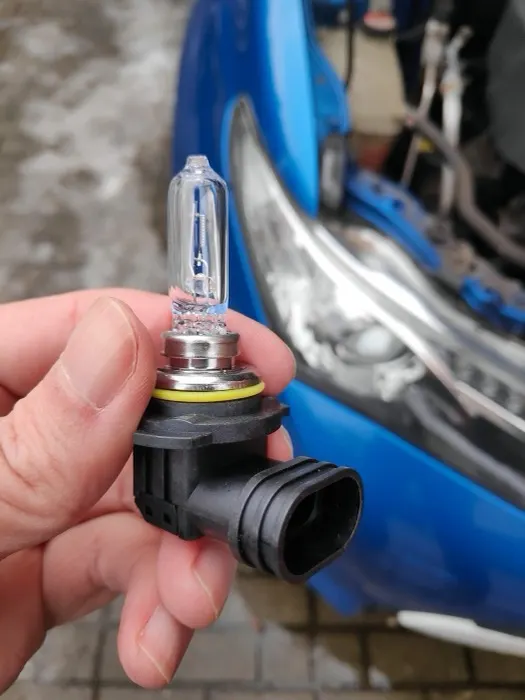
Choosing the Right Bulbs: Halogen vs LED
Halogen bulbs are the cheap, standard choice; LED bulbs are brighter, use less power and last far longer. The catch is headlights: fitting aftermarket LED bulbs into a housing designed for halogen can produce glare and is generally not road-legal in the UK. Always fit the correct bulb type your car is designed for.
Halogen bulbs
Halogen bulbs are the traditional, most common type and are what many cars still use. They are inexpensive, widely available and easy to replace, which is their main appeal.
The downsides are that they are less bright than LEDs, use more power, run hot, and have a shorter life, so they blow more often. For most drivers, though, they remain a perfectly good, cheap option, especially as a like-for-like replacement.
LED bulbs
LED bulbs are brighter, whiter, use far less power and last much longer than halogens, often for the life of the car. Many newer vehicles come with LED lights as standard, designed around them from the factory.
For interior lights, number plate lights and some signal lights, LED upgrades are usually straightforward and worthwhile. The complication comes specifically with headlights, where the law and the housing design matter.
The headlight legal catch
Here is the important bit: fitting aftermarket LED bulbs into a headlight housing that was designed for halogen is generally not road-legal in the UK and can fail the MOT.
This is because the housing's reflector and lens are designed around a halogen filament; an LED placed there can scatter light, dazzle oncoming drivers and produce a poor beam pattern. So while LED conversion kits are sold, using them on the road in a halogen headlight is usually not permitted.
When LED headlights are fine
LED headlights are completely fine when the car was designed for them, either fitted from the factory or as a proper, type-approved headlight unit made for LEDs.
- Factory LED headlights are designed and approved as a system.
- Like-for-like LED replacement in an LED car is correct.
- Interior, boot and number-plate LED upgrades are generally fine.
The issue is only retrofitting LED bulbs into halogen headlight housings for road use.
Matching the right bulb
Whatever type you have, fitting the correct bulb specification matters: the right fitting, type and wattage for your car. The wrong bulb can blow quickly, damage the housing, or simply not work properly.
Your handbook lists the correct bulb types. If you are unsure, we can identify and supply the right bulbs and fit them for you, which avoids buying the wrong ones and the awkward job of reaching some modern bulb holders.
Do not ignore a blown bulb
Whichever type you run, a blown bulb is a safety issue and an MOT failure, and it can earn you a fixed penalty at the roadside. A failed headlight, brake light or indicator makes you harder to see and less able to signal your intentions.
Check your lights regularly, especially as the dark months arrive, and replace blown bulbs promptly. We can supply and fit the correct bulbs, and check the aim and the charging system if a bulb keeps failing.
Frequently Asked Questions
Are LED headlight bulbs legal in the UK?
Fitting aftermarket LED bulbs into a headlight housing designed for halogen is generally not road-legal in the UK and can fail the MOT, because the beam pattern and glare are wrong. LED headlights are fine when fitted from the factory or as a proper type-approved LED unit.
What is the difference between halogen and LED bulbs?
Halogen bulbs are cheap, standard and easy to replace but less bright, hotter and shorter-lived. LEDs are brighter, whiter, use less power and last far longer. Many newer cars come with LED lights as standard, designed around them, while older cars typically use halogen.
Can I upgrade my interior lights to LED?
Usually yes. LED upgrades for interior lights, boot lights and number-plate lights are generally straightforward and worthwhile, giving brighter, longer-lasting light for little power. The legal complication is specifically with retrofitting LED bulbs into halogen headlight housings for road use.
Why does my bulb keep blowing?
A bulb that fails repeatedly can point to a wider issue, such as a charging fault, moisture in the light unit, vibration, or using the wrong bulb specification. If a new bulb does not last, have the electrics, charging system and bulb type checked to find the underlying cause.
Is a blown bulb an MOT failure?
Yes. A blown headlight, brake light, indicator or number-plate light is an MOT failure, and can earn a fixed penalty at the roadside. More importantly it is a safety risk, making you harder to see and less able to signal, so replace blown bulbs promptly, especially in the dark months.
Book With Norwich Tyres & Auto Service
Need a hand from a real, independent Norwich garage? Call 07933 900901 or pop into Ber Street, NR1 3ES. Same-day tyre fitting is available on most common sizes, with free parking on site.
Hero image: “045 Replacing car headlight bulb - HIR2 type 12V halogen lightbulb for Toyota Auris” by Marek Ślusarczyk (Tupungato) Photo portfolio (source), licensed under CC BY.