
Driving in High Winds on the Norfolk Coast
To drive safely in high winds, slow down, hold the steering wheel firmly with both hands, and be ready for sudden gusts, especially on exposed roads, bridges and where hedges give way to open fields. Norfolk's flat, open landscape and coast leave roads particularly exposed, so the wind can catch you out.
How wind affects your car
Strong, gusty wind can push your car sideways without warning, particularly on exposed roads. The effect is worse the higher and lighter the vehicle, so vans, SUVs, caravans and anything with a roof box are more easily shoved about.
The danger is often the sudden gust rather than steady wind: you emerge from behind a building, hedge or lorry into open air and the car lurches. Anticipating those transitions is the key to staying in control.
How to drive in strong winds
The basics are simple but effective. Slow down, as lower speed gives you more time to react and less sideways force, and hold the wheel firmly with both hands so a gust does not snatch it.
- Reduce speed, especially on exposed and unfamiliar roads.
- Keep a firm two-handed grip and be ready to correct gently.
- Anticipate gusts where shelter ends, such as gaps in hedges or after a bridge.
Watch out for others
Wind affects other road users too, sometimes more than you. Give cyclists, motorcyclists and horse riders plenty of room, as a gust can blow them off line into your path.
High-sided vehicles and caravans can be blown about or even over, so keep your distance and be patient overtaking. Be especially careful when passing a lorry on an exposed road, as you pass from its shelter into the full force of the wind.
Exposed roads, bridges and the coast
Norfolk's landscape is unusually exposed: flat, open farmland and a long coastline mean little shelter from the wind. Coastal roads, bridges, embankments and the gaps where hedges end are the spots where gusts hit hardest.
Some high bridges and exposed routes close or restrict high-sided vehicles in severe winds. Plan ahead in stormy weather, take the most sheltered sensible route, and do not be surprised by a strong sideways push on the open stretches.
Debris and fallen branches
High winds bring hazards onto the road as well as pushing your car around. Branches, fallen trees, wheelie bins, signs and other debris can appear suddenly, especially on tree-lined rural lanes.
Keep your speed down so you can stop or steer around debris in the distance you can see, and be ready for the unexpected. After a storm, watch for damaged trees, partially blocked lanes and standing water on top of the usual hazards.
Prepare the car for stormy weather
Wind often comes with driving rain, so good tyres and wipers matter as much as careful driving. Healthy tread clears water and maintains grip, and effective wipers and topped-up screenwash keep your view clear in the squalls.
Before a spell of stormy autumn and winter weather, it is worth checking your tyres, wipers and lights. We are happy to give the car a quick once-over so it is ready to handle Norfolk's wind and rain safely.
Frequently Asked Questions
How should I drive in high winds?
Slow down, hold the wheel firmly with both hands, and anticipate sudden gusts, especially on exposed roads, bridges and where hedges give way to open fields. Lower speed gives more time to react and less sideways force, and a firm grip stops a gust snatching the wheel.
Why is my car pushed around more in the wind?
Wind pushes harder on taller, lighter vehicles, so vans, SUVs, caravans and cars with roof boxes are more affected. The biggest danger is the sudden gust as you emerge from shelter, such as a hedge, building or lorry, into open air, which can shove the car sideways.
Are Norfolk roads worse in high winds?
Norfolk's flat, open farmland and long coastline leave roads unusually exposed with little shelter, so gusts can be strong, especially on coastal roads, bridges and embankments. Some high bridges restrict high-sided vehicles in severe winds, so plan a sheltered route in stormy weather.
How much room should I give cyclists in the wind?
Plenty. A gust can blow a cyclist, motorcyclist or horse rider off their line and into your path, so leave extra space and pass slowly and patiently. The same goes for high-sided vehicles and caravans, which can be blown about or even over in strong winds.
What hazards should I watch for in a storm?
Watch for branches, fallen trees, bins, signs and other debris blown onto the road, especially on tree-lined rural lanes, plus standing water and damaged trees after the storm. Keep your speed down so you can stop or steer around hazards within the distance you can clearly see.
Book With Norwich Tyres & Auto Service
Need a hand from a real, independent Norwich garage? Call 07933 900901 or pop into Ber Street, NR1 3ES. Same-day tyre fitting is available on most common sizes, with free parking on site.
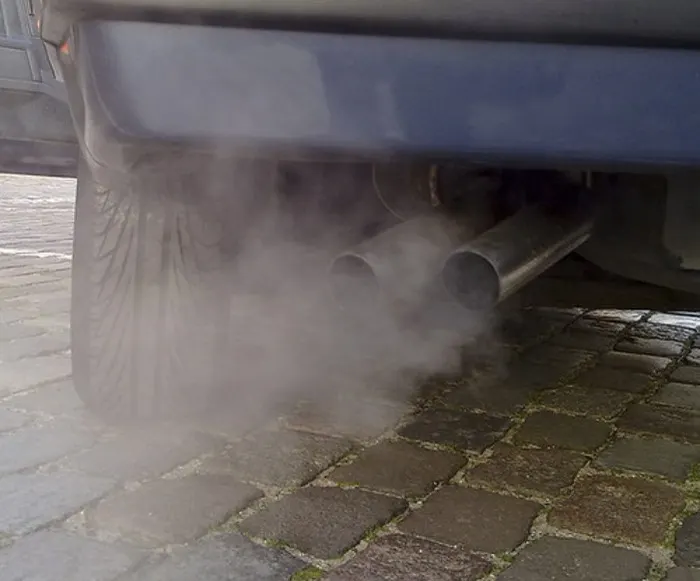
Hero image: “Car exhaust” by eutrophication&hypoxia (source), licensed under CC BY.