Starter Motor Problems: Why Your Car Clicks but Won't Start
If your car clicks but will not start, the cause is usually either the battery or the starter motor. A rapid clicking with dim lights points to a flat or weak battery, while a single solid click with the lights and electrics working normally can point to a failing starter motor. A proper test confirms which it is.
Battery or starter motor?
Both a flat battery and a failing starter motor stop the engine turning over, so the symptoms overlap. Telling them apart saves you replacing the wrong, expensive part.
The general rule: if the electrics are weak (dim lights, a rapid clicking, a struggling crank), suspect the battery first, as a flat battery is by far the more common cause. If the battery and lights seem strong but the engine will not turn, the starter is more likely.
What the clicking tells you
The sound when you turn the key is a useful clue.
- A rapid chattering or clicking usually means there is not enough power, pointing to a flat or weak battery or a poor connection.
- A single loud click, with the dashboard lights staying bright, can mean the starter solenoid is engaging but the motor is not turning.
- No sound at all can be a flat battery, a poor connection, or an immobiliser or safety-switch issue.
Signs of a failing starter motor
Beyond the single click, a starter motor on its way out gives other clues. You might hear a grinding noise as it engages, notice the engine cranks slowly or intermittently even with a good battery, or smell something hot or electrical after repeated attempts.
Intermittent starting (fine sometimes, dead others) with a known-good battery is a classic sign of a starter or its solenoid failing. These symptoms tend to get worse, so it is best looked at before it leaves you stranded.
Why the battery is the usual culprit
Before assuming the worst, remember that a flat or weak battery causes the vast majority of no-start, clicking situations, especially in cold weather, after short trips, or with an older battery.
Poor battery connections, with corrosion or a loose terminal, can mimic a starter or battery fault too, and are cheap to fix. This is why testing the battery, charging system and connections first usually finds the problem, and avoids replacing a starter that was never faulty.
What to try and what to avoid
If you get a click and no start, first check the basics: are the battery terminals tight and clean, and is the car in park or neutral with the clutch pressed if required? Try a jump-start, which will get you going if the battery is the issue.
Avoid repeatedly cranking for long periods, which can overheat the starter and flatten the battery further. If a jump-start does not help, or the problem keeps returning, it is time for a proper diagnosis rather than guesswork.
Getting it diagnosed
Because the battery and starter cause similar symptoms, a proper test is the quickest, cheapest route to a fix. Testing the battery, charging system, connections and starter draw shows exactly where the fault is.
We can test your battery and charging system and check the starter, so you replace only what actually needs replacing. Often it is a battery or a connection rather than the more costly starter motor.
Frequently Asked Questions
Why does my car click but not start?
Usually it is the battery or the starter motor. A rapid clicking with dim lights points to a flat or weak battery, while a single solid click with the electrics working normally can mean a failing starter motor. A flat battery is far more common, so it is worth testing first.
How do I know if it is the battery or the starter?
If the lights are dim and you hear rapid clicking or a slow crank, suspect the battery. If the battery and lights seem strong but the engine will not turn, with a single click or a grinding noise, the starter is more likely. A proper test confirms which it is without guessing.
What are the signs of a failing starter motor?
A single loud click with bright dashboard lights, a grinding noise as it engages, slow or intermittent cranking with a known-good battery, or a hot electrical smell after repeated attempts. Intermittent starting (fine sometimes, dead others) with a good battery is a classic starter sign.
Will a jump-start help if the starter motor is faulty?
A jump-start helps if the problem is a flat battery, which is the more common cause. If the starter motor itself is failing, jump-starting may not get the engine to turn. So a jump-start is a useful first test: if it works, it was the battery; if not, the starter is more likely.
Can corroded battery terminals cause a no-start?
Yes. Corroded or loose battery terminals can weaken the connection enough to cause clicking or a no-start that mimics a flat battery or starter fault, and they are cheap to clean and tighten. That is why checking the connections is part of diagnosing a clicking, no-start problem.
Book With Norwich Tyres & Auto Service
Need a hand from a real, independent Norwich garage? Call 07933 900901 or pop into Ber Street, NR1 3ES. Same-day tyre fitting is available on most common sizes, with free parking on site.
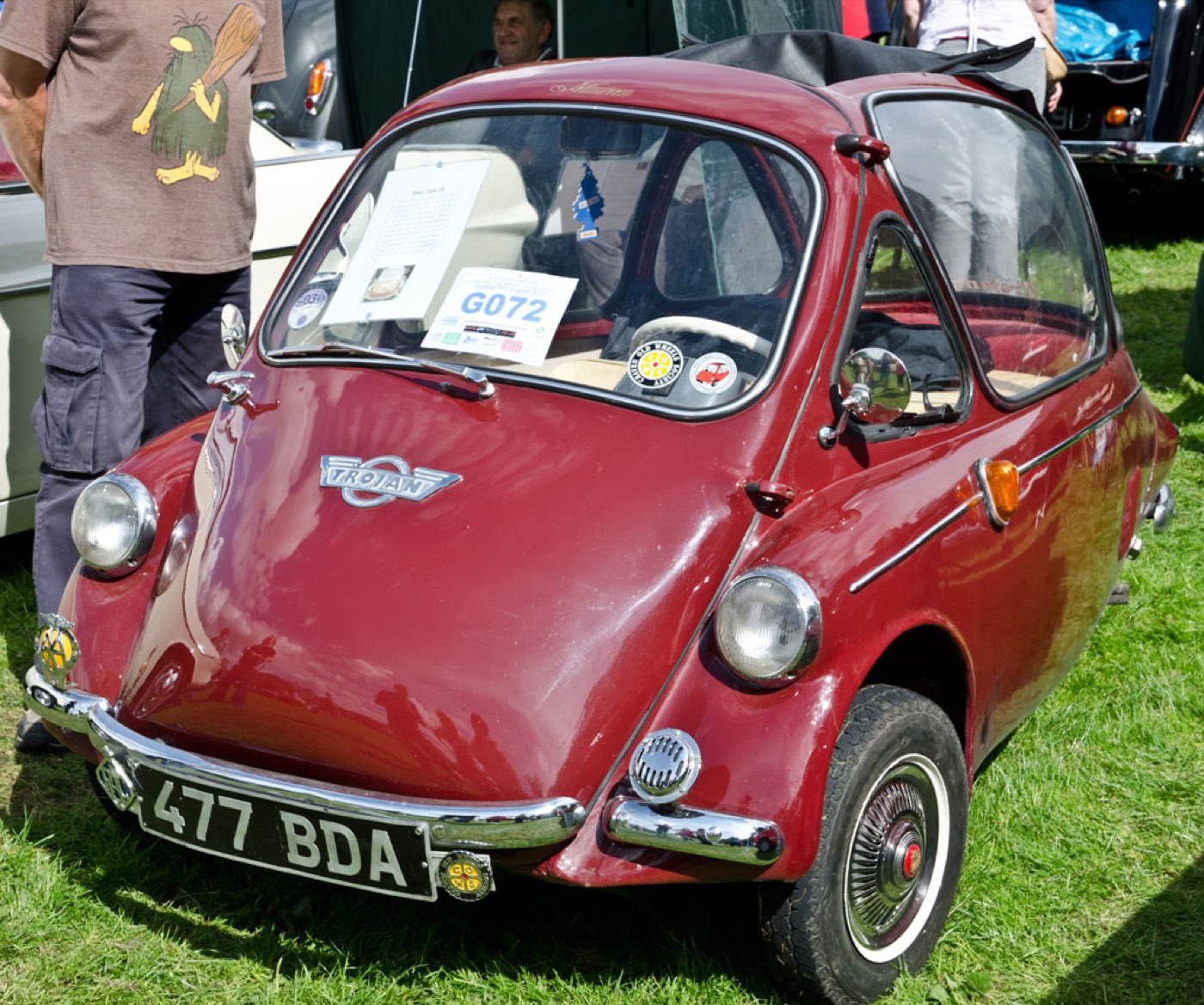
Hero image: “Trojan 200 Bubble Car (1960)” by SG2012 (source), licensed under CC BY.