
Storm Season: Driving Safely in Heavy Rain and Wind
To drive safely in a storm, check the forecast and weather warnings first, as the safest option may be to delay your journey. If you do travel, slow down, double your following distance in heavy rain, hold the wheel firmly for gusts, use dipped headlights, and watch for surface water and debris.
Should you travel at all?
The first decision in stormy weather is whether to go. Check the Met Office forecast and any weather warnings, and consider whether the journey is essential. Amber and red warnings in particular are a strong signal to delay or cancel non-essential travel.
There is no shame in waiting out the worst of a storm. Roads can flood, trees can come down and conditions can change fast, so postponing a trip by a few hours is often the safest and least stressful choice.
Driving in heavy rain
Heavy rain cuts visibility and grip together. Slow down, use dipped headlights so you can see and be seen, and at least double your normal following distance, as wet stopping distances are much longer.
Watch for standing water and the risk of aquaplaning, where the tyres lift off the road on a film of water; if the steering goes light, ease off the accelerator and hold the wheel steady. Healthy tread is your main defence, so do not run tyres down to the limit over winter.
Coping with strong winds
Storms usually bring strong, gusty winds as well as rain. Hold the steering wheel firmly with both hands and be ready for sudden sideways gusts, especially on exposed roads, bridges and where hedges give way to open fields, common across flat, open Norfolk.
Give cyclists, motorcyclists, caravans and high-sided vehicles extra room, as the wind affects them more. Our guide to driving in high winds covers this in more detail.
Surface water, debris and flooding
Storms throw hazards onto the road. Watch for branches, fallen trees, bins and other debris, particularly on tree-lined lanes, and for deep surface water and flooding in dips and low-lying areas.
- Slow down so you can stop or steer around debris within your sight line.
- Treat flooded roads with caution and turn back if you cannot judge the depth.
- Heed road-closure signs rather than driving around them.
After the storm
The roads are not automatically safe once the worst passes. Standing water, mud, fallen debris and damaged trees can remain, and signals or street lights may be out at junctions.
Drive with continued care after a storm, especially on rural routes, and approach junctions where the lights are out as you would an unmarked junction. If you drove through flood water, test your brakes gently afterwards, as they will be wet and less effective.
Prepare the car for storm season
Storm driving asks a lot of your tyres, wipers and lights, so it pays to have them in good order before the worst weather. Healthy tread, effective wipers, topped-up screenwash and working, clean lights are the basics that keep you safe in rain and wind.
Before storm season, it is worth a quick check of these. We are happy to look over your tyres, wipers and lights so the car is ready to handle whatever a Norfolk winter throws at it.
Frequently Asked Questions
Should I drive during a storm?
Check the forecast and weather warnings first; for amber or red warnings, the safest option is often to delay or cancel non-essential travel. Roads can flood and trees come down, and conditions change fast, so postponing a trip by a few hours is frequently the wisest choice.
How should I drive in heavy rain?
Slow down, use dipped headlights, and at least double your following distance, as wet stopping distances are much longer. Watch for standing water and aquaplaning; if the steering goes light, ease off the accelerator and hold the wheel steady. Good tread is your main defence.
How do I cope with strong winds in a storm?
Hold the wheel firmly with both hands and anticipate sudden gusts, especially on exposed roads, bridges and gaps in hedges, common in open Norfolk. Give cyclists, caravans and high-sided vehicles extra room, as wind affects them more. Slow down to give yourself reaction time.
Is it safe to drive once the storm passes?
Not automatically. Standing water, mud, fallen debris and damaged trees can remain, and traffic lights may be out at junctions. Drive with continued care, especially on rural routes, treat dead traffic lights like an unmarked junction, and test your brakes after any flood water.
What car checks help for storm driving?
Healthy tyre tread to clear water and keep grip, effective wiper blades, topped-up winter screenwash, and working, clean lights are the essentials. Having these checked before storm season means you can focus on driving carefully rather than worrying about the car in heavy rain and wind.
Book With Norwich Tyres & Auto Service
Need a hand from a real, independent Norwich garage? Call 07933 900901 or pop into Ber Street, NR1 3ES. Same-day tyre fitting is available on most common sizes, with free parking on site.
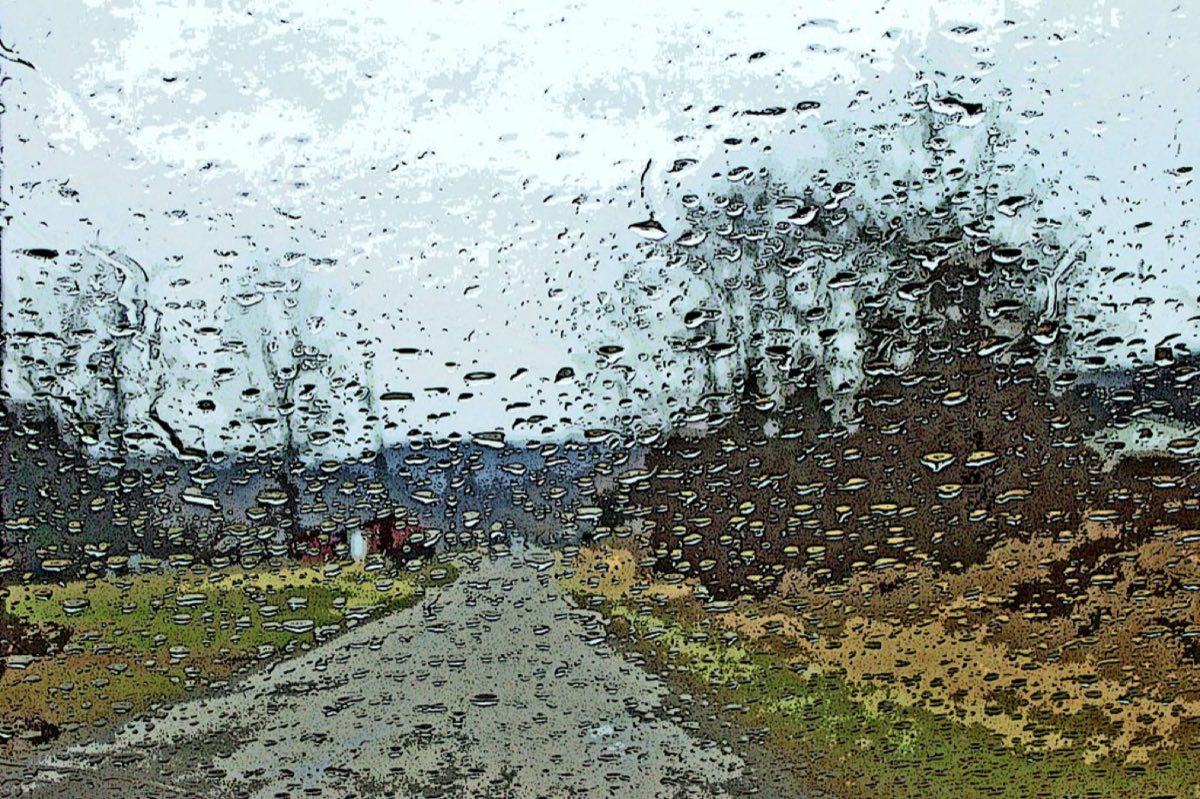
Hero image: “Rain in Rapp Hollow” by dok1 (source), licensed under CC BY.